Taste the Ancient World in Your Homeschool Kitchen
What if dinner could transport your family 4,000 years back in time?
As you journey through Foundations Cycle 1 with your Classical Conversations community, you’re exploring the ancient world from Mesopotamia’s fertile river valleys to the engineering marvels of Rome, from the towering pyramids of Egypt to the magnificent dynasties of China. Your students are memorizing timeline cards, chanting geography facts, and tracing the rise and fall of empires that shaped human history.
What if your kitchen table could become an extension of that ancient history food homeschool adventure?
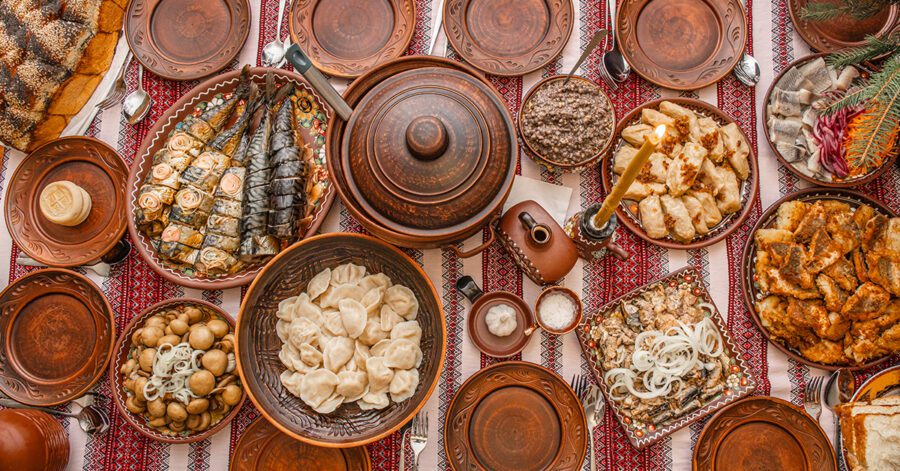
Imagine transforming your weekly meal planning into a 24-week culinary expedition where ancient civilization recipes help cement historical memory work, spark conversations about cultural connections, and create lasting memories that engage all five senses. When your child tastes Egyptian falafel or Roman honey cakes, they’re not just learning facts but experiencing history.
Welcome to your Cycle 1 meals journey! This guide pairs each week of Foundations memory work with recipes from the ancient world, offering you historical cooking homeschool ideas, curriculum connections, and practical tips that will help your family taste history while learning geography through food.
How to Use This Ancient History Cooking Guide
Follow Your Foundations Timeline: Each recipe corresponds to a specific week in your Foundations Cycle 1 memory work. Cook along with your history and geography facts for deeper connections, or pick and choose based on your family’s interests and schedule.
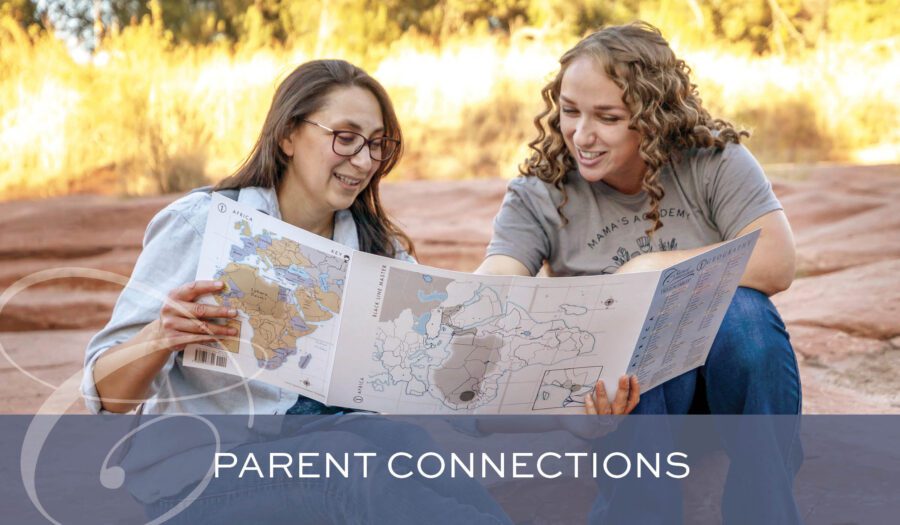
Connect Memory Work to the Kitchen: Every entry includes ties to the History and Geography grammar your students are learning in the Foundations Curriculum. Reference the maps in your Foundation Guide as you cook to show students exactly where these ancient civilizations flourished.
Adjust for Your Family: Ancient recipes vary from simple weeknight meals to ambitious historical reconstructions. We’ve flagged the quickest options with ⚡ and noted where modern adaptations work best. Many of these recipes come from historical sources and may require ingredient substitutions or simplification for modern families.
Track Your Journey: Use the maps in your Foundation Guide to mark which civilizations you’ve “visited” through food. Students can color, sticker, or highlight regions as you progress through Cycle 1.
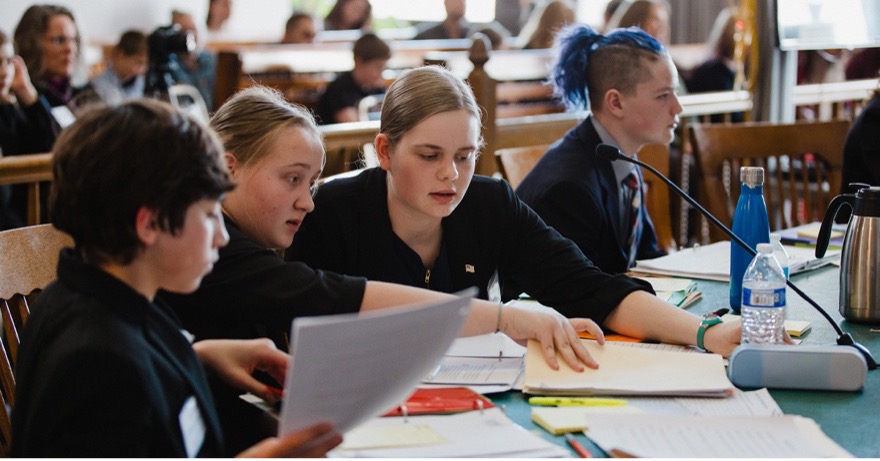
Create Cross-Curricular Connections: Consider tying your ancient history meals into your community’s Essentials Faces of History Event! Families could bring dishes representing different ancient civilizations, and students could present on the historical and geographical significance of their chosen culture.
A note on recipes: These links represent historical and cultural recipes from various sources. We recommend reviewing each recipe before cooking to ensure it fits your family’s dietary needs, skill level, and available ingredients.
Ancient Civilizations: A Culinary Timeline
Week 1: Fertile Crescent – Meat Broth and Mersu
The Dish: One of humanity’s oldest recorded recipes, this Mesopotamian meat broth with grain (mersu) dates back nearly 4,000 years and was discovered on cuneiform tablets from ancient Babylon.
Recipe: Mesopotamian Recipes – Atlas Obscura
Foundations Connection:
- History: Around 3500 BC, Sumerians began to build city-states in Mesopotamia.
- Geography: The Fertile Crescent’s location between the Tigris and Euphrates Rivers (modern-day Iraq) made agriculture and civilization possible
- Discussion Starter: This is where writing began! These recipes were recorded on clay tablets.
Week 2: Assyrian Empire – Chicken Kabobs and Rice ⚡
The Dish: Grilled meat skewers with aromatic spices reflect the Assyrian Empire’s position along ancient trade routes, where spices from the East met Mediterranean cooking traditions.
Recipe: Assyrian Food and History PDF
Foundations Connection:
- History: Around 900 BC, Assyria conquered much of the Fertile Crescent.
- Geography: Capital at Nineveh (northern Iraq)
- Quick Tip: Use store-bought spice blends and pre-cut chicken for a 30-minute dinner!
Week 3: Hebrew Empire – Jacob’s Lentil Stew
The Dish: The biblical “mess of pottage” that Esau traded for his birthright, this hearty lentil stew connects your kitchen to Scripture and ancient Near Eastern foodways.
Recipe: Jacob’s Lentil Stew – Tori Avey
Foundations Connection:
- History: The patriarchs (Abraham, Isaac, Jacob) lived during the early Hebrew period
- Geography: Ancient Israel in the Eastern Mediterranean, the Promised Land
- Faith Connection: Read Genesis 25:29-34 together as your stew simmers to discuss Jacob and Esau’s story!
Week 4: Hittite Empire – Hittite Apple Honey Walnut Flatbread
The Dish: A sweet flatbread combining honey, apples, and walnuts shows the agricultural abundance of Anatolia (modern Turkey) where the Hittites ruled.
Recipe: Baked Apple Honey Walnut Hittite Flatbread – Eats History
Foundations Connection:
- History: Around 1600 BC, the Hittite Empire ruled in Anatolia.
- Geography: Anatolia (modern-day Turkey), strategically located between Europe and Asia
- Fun Fact: The Hittites were among the first to work with iron!
Week 5: Egyptian Empire – Ta’amia and Tigernut Sweets
The Dish: Ta’amia (Egyptian falafel made with fava beans instead of chickpeas), paired with sweet tigernut treats, showcases the agricultural wealth of the Nile Valley.
Recipe: Ancient Egyptian Recipes – Ancient Egypt Online
Foundations Connection:
- History: Around 3100 BC, Menes united Egypt.
- Geography: The Nile River’s annual flooding created fertile soil for farming
- Connection: Tigernuts aren’t nuts but tubers that grew abundantly in Egypt!
Week 6: Ancient Greece – Cheese-Crusted Fish
The Dish: This 320 BC recipe for cheese-crusted fish (tyrokroustos ichthys) comes from an ancient Greek cookbook, showing the Mediterranean diet’s timeless appeal.
Recipe: Ancient Greek Cheese-Crusted Fish – Eats History
Foundations Connection:
- History: Around 500 BC, Athens became a democracy.
- Geography: Greece’s location on the Mediterranean Sea and Aegean Sea made fishing central to the diet
- Classical Connection: Greek philosophers like Plato discussed food and virtue!
Week 7: Roman Empire – Saturnalia Feast
The Dish: A multi-course Roman feast celebrating Saturnalia (winter solstice festival) with dishes like honey-glazed ham, Roman bread, and mulsum (honeyed wine for adults, grape juice for children).
Recipe: A Taste of Ancient Rome: Saturnalia Feast – Following Hadrian
Foundations Connection:
- History: Around 27 BC, Caesar Augustus became the first emperor of Rome.
- Geography: Rome’s capital location on the Tiber River in central Italy
- Weekend Project: This is an ambitious meal best saved for a special occasion!
Week 8: Indus River Valley – 4,000-Year-Old Curry ⚡
The Dish: Archaeological evidence shows ancient Indus Valley cooks used turmeric, ginger, and garlic in meat stews, creating dishes recognizable as early curry.
Recipe: Ancient Curry Discovery – BBC News
Foundations Connection:
- History: Around 2500 BC, the Indus River Valley Civilization emerged.
- Geography: Located along the Indus River in modern Pakistan and northwest India
- Modern Adaptation: Use modern curry powder for a simplified version!
Week 9: China – Jiaozi and Wontons ⚡
The Dish: Chinese dumplings date back over 1,800 years and remain beloved today. Jiaozi (potstickers) and wontons (soup dumplings) show culinary continuity across millennia.
Recipe: Dumplings from Ancient China – Munchery Blog
Foundations Connection:
- History: Around 221 BC, Qin Shi Huang united China.
- Geography: China’s Yellow River and Yangtze River valleys supported early civilization
- Family Activity: Use store-bought wrappers and let everyone fold their own!
Week 10: Japan – Miso Soup ⚡
The Dish: This simple, savory soup made with fermented soybean paste, seaweed, and tofu represents centuries of Japanese culinary tradition and Buddhist influence.
Recipe: Authentic Miso Soup – Allrecipes
Foundations Connection:
- History: Buddhism and Chinese influence shaped Japanese food culture
- Geography: Japan’s island location in the Pacific Ocean made seafood central to the diet
- Quick Meal: Ready in 15 minutes and perfect for community day morning!
Week 11: Byzantine Empire – Roast Pork with Honey and Lentils
The Dish: This 6th-century Byzantine recipe combines Roman and Greek influences with Middle Eastern flavors, reflecting Constantinople’s role as a cultural crossroads.
Recipe: 6th Century Byzantine Recipes – Historical Italian Cooking
Foundations Connection:
- History: In AD 527, Justinian became emperor of the Byzantine Empire.
- Geography: Constantinople (modern Istanbul) straddled Europe and Asia
- Fun Fact: The Byzantine Empire preserved Greek and Roman learning through the Middle Ages!
Week 12: Muslim Empire – Braised Meat and Onions
The Dish: Medieval Islamic cuisine created sophisticated dishes combining meat, spices, and fruits, as documented in historical cookbooks from Baghdad and Andalusia.
Recipe: Al-Rahib (The Monk’s Dish) – The Andalusi Kitchen
Foundations Connection:
- History: In AD 750, the Abbasid Caliphate moved its capital to Baghdad.
- Geography: The Islamic Empire stretched from Spain to India, facilitating the spice trade
- Cultural Note: Islamic Golden Age scholars preserved and advanced mathematics, medicine, and astronomy!
Week 13: Western Africa – African Peanut Soup ⚡
The Dish: This creamy, slightly spicy soup with peanuts, sweet potatoes, and warming spices represents West African culinary traditions that influenced cuisine worldwide.
Recipe: African Peanut Soup – Oldways
Foundations Connection:
- History: West African kingdoms like Ghana, Mali, and Songhai controlled the gold and salt trade
- Geography: West Africa’s Sahel region (between Sahara Desert and tropical forests)
- Quick Version: This soup comes together in 30 minutes with canned ingredients!
Week 14: Ancient Africa – Kenyan Beef Wet Fry ⚡
The Dish: This East African dish with tender beef, tomatoes, and spices shows culinary traditions from the Swahili Coast, where African, Arab, and Asian influences met.
Recipe: Kenyan Beef Wet Fry – Serious Eats
Foundations Connection:
- Geography: East Africa’s Indian Ocean coastline facilitated trade with Arabia, India, and beyond
- Quick Tip: Serve with rice or flatbread for a complete weeknight meal!
Week 15: Middle East – Sheet Pan Beef Kofta ⚡
The Dish: These spiced meatballs or patties represent ancient Middle Eastern cooking traditions that spread throughout the Mediterranean and beyond.
Recipe: Sheet Pan Beef Kofta – The Mediterranean Dish
Foundations Connection:
- Geography: The Middle East’s position between three continents made it a crossroads of culinary traditions
- Modern Adaptation: Baking on a sheet pan simplifies this ancient dish for busy families!
Week 16: Mesoamerica – Pre-Columbian Feast
The Dish: A multi-course meal featuring corn, beans, squash, chocolate, and chili showcases the “Three Sisters” agriculture that sustained ancient Mesoamerican civilizations.
Recipe: Feast of Three Princes – Pre-Columbian Mesoamerica PDF
Foundations Connection:
- History: Ancient Mesoamerican cultures developed complex civilizations without horses or wheeled vehicles
- Geography: Central America and southern Mexico
- Weekend Project: This is an ambitious multi-dish feast!
Week 17: Aztecs – Chocolate and Tamales ⚡
The Dish: Hot chocolate (originally a bitter, spicy drink) and corn tamales represent core Aztec foods. The Aztecs valued cacao beans so highly that they used them as currency!
Recipe: Cooking with the Aztecs – Recipes and Roots
Foundations Connection:
- History: Around AD 1325, the Aztecs founded Tenochtitlan.
- Geography: Central Mexico, including modern Mexico City built on Lake Texcoco
- Fun Fact: Share hot chocolate and discuss how the Aztecs drank it unsweetened with chili!
Week 18: Mayans – Mayan Chili
The Dish: This ancient stew combines chili peppers, corn, beans, and meat in ways that influenced modern Mexican cuisine.
Recipe: Mayan Chili – Dining Through Time
Foundations Connection:
- History: Around AD 250, the Mayan Classical Period began.
- Geography: Southern Mexico and Central America (Guatemala, Belize)
- Historical Note: The Maya developed advanced astronomy, mathematics (including zero), and writing!
Week 19: Anasazi – Anasazi Bean Soup ⚡
The Dish: Named for the Ancient Puebloans (sometimes called Anasazi), these heirloom beans create a hearty soup representing Southwestern Native American foodways.
Recipe: Anasazi Bean and Cabbage Soup – Kalyn’s Kitchen
Foundations Connection:
- Geography: Southwestern United States (Mesa Verde, Chaco Canyon)
- Archaeological Note: The Ancient Puebloans built remarkable cliff dwellings
- Modern Version: Substitute pinto beans if you can’t find Anasazi beans!
Week 20: Mexico – Pozole ⚡
The Dish: This hominy stew has pre-Columbian roots and remains a celebration dish in Mexico today, showing culinary continuity across centuries.
Recipe: Pozole – Taste of Home
Foundations Connection:
- Geography: Mexico’s diverse geography from mountains to coastlines
- Cultural Continuity: Pozole connects ancient Aztec traditions to modern Mexican cuisine
- Quick Tip: Use canned hominy and rotisserie chicken for a faster version!
Week 21: Canada – Poutine ⚡
The Dish: French fries topped with cheese curds and gravy represent French-Canadian culture and Canada’s multicultural heritage.
Recipe: Homemade Poutine – Two Kooks in the Kitchen
Foundations Connection:
- History: French exploration and settlement of Canada beginning in the 1500s
- Geography: Canada is the second-largest country by land area
- Modern Favorite: This is a recent dish (1950s) but represents cultural heritage!
Week 22: South America (West) – Chilean Empanadas
The Dish: These baked pastry pockets filled with meat, onions, and spices reflect Spanish colonial influence blended with indigenous ingredients.
Recipe: Chilean Empanadas – Travel Coach Chile
Foundations Connection:
- Geography: Chile’s long Pacific coastline stretches along South America’s western edge
- Andes Mountains: Discuss how geography shaped settlement patterns
- Weekend Baking: Perfect family project with assembly-line stuffing and folding!
Week 23: South America (East) – Brazilian Feijoada ⚡
The Dish: Brazil’s national dish, this hearty black bean stew with various meats reflects Portuguese colonial influence and African culinary traditions.
Recipe: Quick and Easy Feijoada – Play Party Plan
Foundations Connection:
- Geography: Brazil occupies nearly half of South America and has Amazon rainforest and Atlantic coastline
- Cultural Blend: Feijoada represents Indigenous, Portuguese, and African influences
- Simplified Version: This recipe adapts traditionally slow-cooked dish for weeknight cooking!
Week 24: Portuguese Empire – Pastéis de Nata
The Dish: These custard tarts from Lisbon monasteries represent Portugal’s Age of Exploration and its culinary influence worldwide.
Recipe: Portuguese Custard Tarts – Allrecipes
Foundations Connection:
- History: Portuguese explorers opened sea routes to Asia and colonized Brazil
- Geography: Portugal’s Atlantic location launched European exploration
- Sweet Celebration: Perfect for your last week of Cycle 1!
Making It Educational: Discussion Questions While You Cook
Transform cooking time into meaningful conversation with these prompts:
Ancient World Geography Questions:
- Can you find this civilization on the maps in our Foundation Guide?
- What geographical features (rivers, mountains, seas) were important to this culture?
- How did geography affect what people could grow and eat?
Timeline Connections:
- What history sentence mentions this civilization?
- Which ancient civilizations were contemporaries (existed at the same time)?
- How does this civilization connect to biblical history?
Cultural Discussions:
- How did trade routes spread ingredients and cooking techniques?
- What ingredients in this dish were unavailable to ancient cooks? (potatoes, tomatoes, etc.)
- How does what people eat reflect what they value?
Faith Integration:
- How does studying ancient civilizations help us understand God’s providence in history?
- What does the diversity of world cultures teach us about the Creator?
- How can learning about other cultures help us love our neighbors?
Cross-Curricular Connections
Tie to Essentials Faces of History Event: Consider having families bring dishes representing ancient civilizations to your community’s Faces of History Event! Students studying ancient figures could pair their presentations with food from that time and place. For example, a student presenting on Julius Caesar could bring Roman honey cakes, or someone studying Confucius could share Chinese dumplings.
Art Integration: Have students illustrate their favorite ancient recipe or create a “recipe card” with the dish, civilization, and geography facts in their notebooks.
Latin Connections: Research Latin food vocabulary! Words like “pasta,” “recipe,” and “culinary” all have Latin roots your Essentials students will recognize.
FAQ: History Through Food Education
What is Cycle 1 in Classical Conversations?
Cycle 1 focuses on ancient history from creation through the Age of Exploration, covering major ancient civilizations including Mesopotamia, Egypt, Greece, Rome, China, and Mesoamerica. Students memorize geography facts, timeline cards, and history sentences that trace the development of human civilization. The curriculum rotates through three cycles over three academic years, with Cycle 1 laying the foundation for understanding ancient world history.
What ancient civilizations are covered in Cycle 1?
Classical Conversations Cycle 1 geography and history includes the Fertile Crescent civilizations (Sumerians, Assyrians, Babylonians), Egyptian Empire, Hebrew Empire, Hittite Empire, Ancient Greece, Roman Empire, Indus River Valley, Chinese dynasties, Japanese culture, Byzantine Empire, Islamic Empires, African kingdoms, and Mesoamerican civilizations, including the Maya, Aztec, and Inca.
How do you teach history through cooking?
Teaching history through cooking creates multi-sensory learning that helps cement memory work. Start by reading the relevant history sentence or geography fact, then cook a meal from that civilization while discussing daily life, geography, and historical significance. Historical cooking homeschool activities work best when paired with maps, timeline review, and conversation about how geography influenced what ancient people could grow and eat. The key is making connections explicit: “We’re eating lentil stew today just like people did in ancient Israel!”
What did ancient Romans eat?
Ancient Rome food homeschool studies reveal Romans ate a Mediterranean diet, including bread, olive oil, wine, cheese, vegetables, fish, and meat. Wealthy Romans enjoyed elaborate feasts with multiple courses, while common people ate simpler fare. Romans loved garum (fermented fish sauce), used honey as their main sweetener since sugar was unknown, and enjoyed dishes like roasted meats with fruit glazes, vegetable stews, and grain porridges. Roman banquets during festivals like Saturnalia featured special honey-glazed dishes and spiced wines.
Are ancient recipes kid-friendly?
Most ancient civilization recipes can be adapted for modern families! While some historical recipes use ingredients or techniques that are challenging, many ancient foods like dumplings, stews, flatbreads, and honey cakes remain appealing to children today. We recommend starting with simpler recipes marked ⚡ for quick preparation, and choosing familiar flavor profiles. Many “ancient” recipes are actually ancestors of foods your children already enjoy. Remember, you can always modify spice levels, substitute ingredients, and present dishes in kid-friendly ways while still discussing the historical and cultural significance.
Hands-On History That Tastes Like Home
Food is memory. Years from now, your children may not recite every geography fact perfectly, but they’ll remember the afternoon you made Egyptian falafel and talked about the Nile’s importance. They’ll remember wrapping Chinese dumplings together while discussing the Great Wall. They’ll remember that Roman Saturnalia means honey-glazed celebration and Mexican pozole connects to ancient Aztec traditions.
So reference those Foundation Guide maps, review those timeline cards, and start your delicious journey through the ancient world. Your Classical Conversations Cycle 1 ancient history adventure is about to become wonderfully memorable!
Happy cooking and happy learning!
Looking for More Ways to Enrich Your Classical Education?
- Learn Like Leonardo: Art Integration Through Notebooking
- 10 Latin Flashcard Games that Make Homeschool Memory Work Fun
- 50 State Recipes for Homeschool: Cycle 3 American History Meals
Written by: