“Can I homeschool my child?”
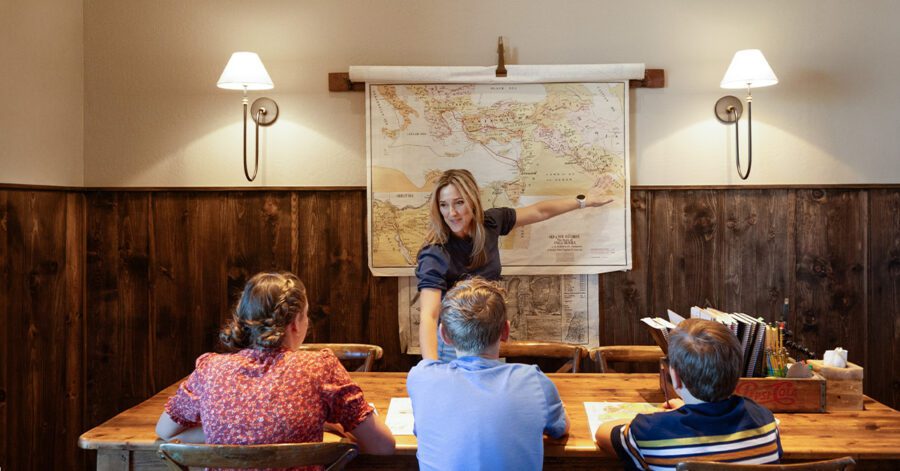
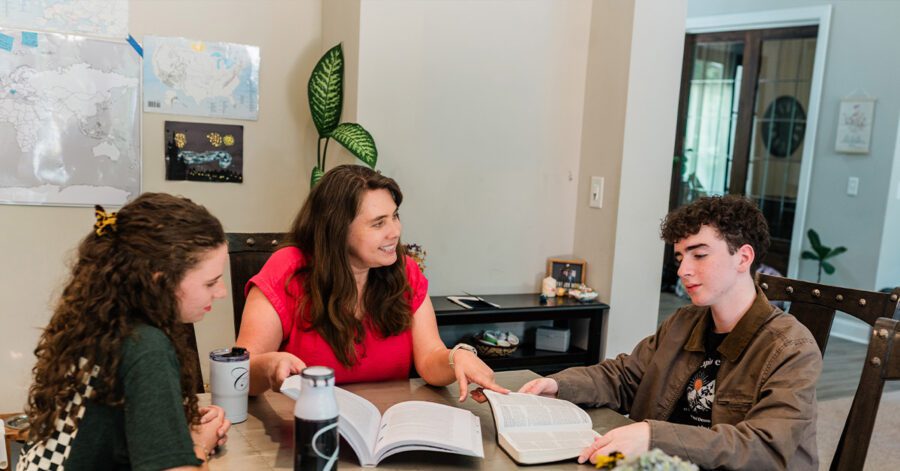
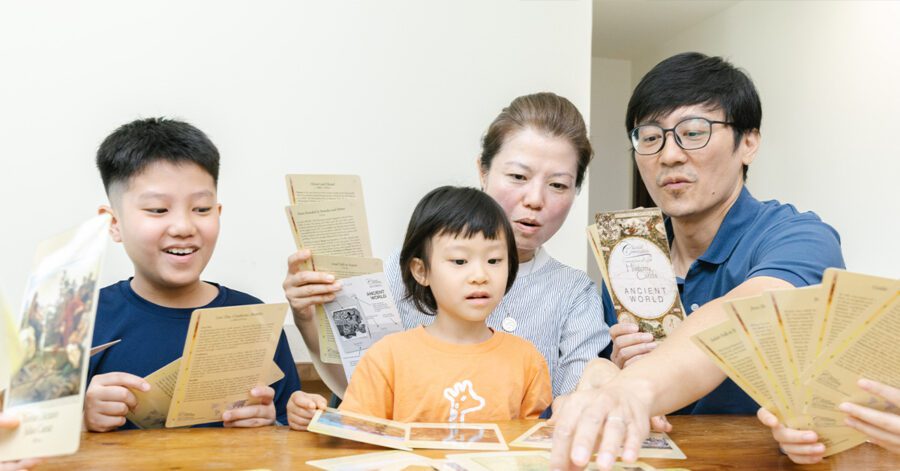
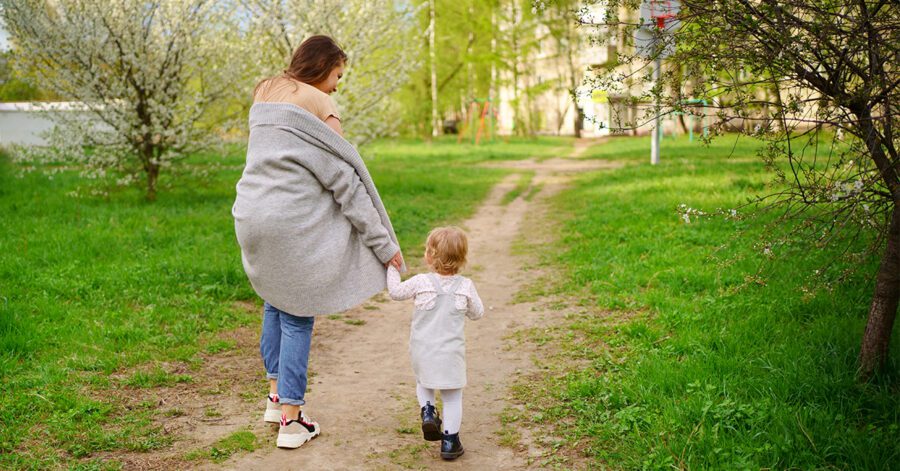
It’s a question many parents ask—often with a mixture of hope, doubt, and curiosity. But here’s the good news: you already are. From the moment your child took their first wobbly steps to the moment they asked their first big “why,” you’ve been teaching them. You are your child’s first and most influential teacher.
Homeschooling doesn’t begin with a curriculum or a classroom. It begins with a relationship. It’s not about replicating school at home—it’s about embracing a lifestyle of learning through shared experiences, intentional conversations, and everyday wonder. It’s not about checking readiness for homeschooling; it’s about realizing that learning starts from the moment your child is born.
What Is Homeschooling, Really?
Homeschooling is often misunderstood. Many imagine rows of desks, long hours, and parents frantically flipping through teacher’s manuals. But that’s not what true home education looks like—especially not in the early years.
Let’s reframe the idea:
- It’s not school-at-home.
- It’s not a rigid curriculum.
Instead, homeschooling is:
- Connection over curriculum.
- Meaningful moments over shared experiences.
- Learning through living.
You’ve Been Homeschooling Since Birth
Long before you considered homeschooling, you were living it out:
- You taught your baby to hold a crayon and take turns.
- You sang songs in the car, named colors at the grocery store, and counted buttons while getting dressed.
- You read the same book twelve nights in a row because it made them giggle.
- You answered every “what’s that?” and “how come?” and “why?” with patience—or at least tried to.
These aren’t just sweet memories. They’re the building blocks of education. You’ve been laying a foundation, and that foundation is strong.
How to Homeschool Toddlers Through Everyday Moments
You’re probably doing more than you realize already—because children are wired to learn through daily life. Here are some practical ways to turn ordinary tasks into extraordinary teaching moments:
- Sorting laundry teaches early math skills like grouping, matching, and categorizing. Invite your child to sort clothes by color, size, or family member. This develops logical reasoning and attention to detail.
- Cooking together introduces early math (fractions, measurement, sequencing), science (chemical reactions, changes in state), and practical life skills. Let them stir, scoop, and pour. Name ingredients, count steps, and talk about textures.
- Nature walks are perfect for science and observation. Bring along a magnifying glass, a notebook, or a nature sketch journal. Ask questions like: What do you hear? What do you see? What changed since last time?
- Gardening nurtures responsibility and biological understanding. Toddlers can water plants, dig soil, and learn about plant life cycles. Use the opportunity to introduce vocabulary like root, sprout, and bloom.
- Reading books aloud builds vocabulary, strengthens literacy, and fosters a deep connection. Ask open-ended questions, repeat favorite phrases, and let your child turn the pages. Here are our favorite Read Aloud books.
- Singing songs and reciting rhymes support memory, phonemic awareness, and pattern recognition. It’s also a joyful way to bond.
The beauty of teaching toddlers at home is that they don’t need formal lessons. They need time, attention, and opportunities to explore the world alongside you.
Preschool at Home—No Desks Required
Fred Rogers once said, “Play is the work of childhood.” We couldn’t agree more.
Young children don’t need flashcards or a rigid school schedule. They need:
- Natural curiosity
- Opportunities for play and exploration
- Songs and rhymes, dress-up and make-believe, blocks and building
You can teach numbers while setting the table. Learn about gravity while stacking blocks. You can sing your ABCs while swinging at the park.
Forget the pressure to recreate a classroom. Your home is already rich with learning tools—most of them disguised as toys, tasks, or conversations. This is what homeschooling preschool confidently looks like: knowing that the slow, simple work of the early years is valuable and sufficient.
Six Skills for Kindergarten—And How You’re Already Building Them
You don’t need to cram facts into your preschooler’s brain to get them “ready for school.” In fact, focusing on life skills and conversation is far more effective.
According to Dr. Laura Justice, director of the Crane Center for Early Childhood Research and Policy at Ohio State University:
“The simplest, easiest thing that parents can do, in terms of early cognitive development, is have frequent conversations with your child that are sensitive and responsive and to share books with your child. And as you read, have discussions about the book”[1]
You’re already helping your child grow in these areas by using the Five Core Habits of Learning:
- Language and communication: reading aloud, chatting in the car, naming feelings
- Reading and writing: scribbling on napkins, making up stories, recognizing signs
- Math and reasoning: counting stairs, setting the table, sorting toys
- Social and emotional development: sharing toys, practicing patience, showing empathy
- Fine and gross motor skills: climbing, drawing, pouring, cutting with scissors
- Independence: getting dressed, helping with chores, making choices
None of this requires a textbook—just time, conversation, and trust in the learning process.
Listen to The Rhythms of Reading: Preschool to Post-School
Learning Grows with Your Child
If you’re parenting older children, you’re still homeschooling—every time you:
- Teach them how to cook a meal or balance a budget
- Walk through a moral question or open your Bible together
- Build a birdhouse, explore a museum, or volunteer as a family
Learning How to Learn
Homeschooling is less about facts and more about the skills of learning. It’s about teaching your child how to think, not just what to think. It’s about nurturing their curiosity and showing them how to seek answers.
That’s the classical model of education: teaching children to observe carefully, ask good questions, and pursue wisdom. It’s not a sprint to cover content—it’s a lifelong journey of becoming who God made them to be.
Why Choose to Homeschool Intentionally?
So if you’re already doing it, why choose to homeschool on purpose?
Because intention shapes impact.
- It allows you to align your family’s values with your child’s education.
- It lets you make the most of the moments you already share.
- It frees you from undoing worldly messages each evening and replaces them with truth throughout the day.
- It deepens your relationships and helps you grow together.
Scribblers At Home is a classical, Christian preschool resource.
You Already Are Homeschooling. So What’s Next?
Yes—you can homeschool. In fact, you already do. And now, you can do it with confidence, community, and Christ at the center.
Let’s move from Can I homeschool? to How do I want to homeschool?
Because home is where education begins—and where it can flourish.
Learn more about homeschooling with Classical Conversations.
[1] Bournea, Chris. “Kindergarten Readiness Leads to Life Skills, Research Finds.” Ohio State University. June 4, 2024. https://news.osu.edu/kindergarten-readiness-leads-to-life-skills-research-finds/.