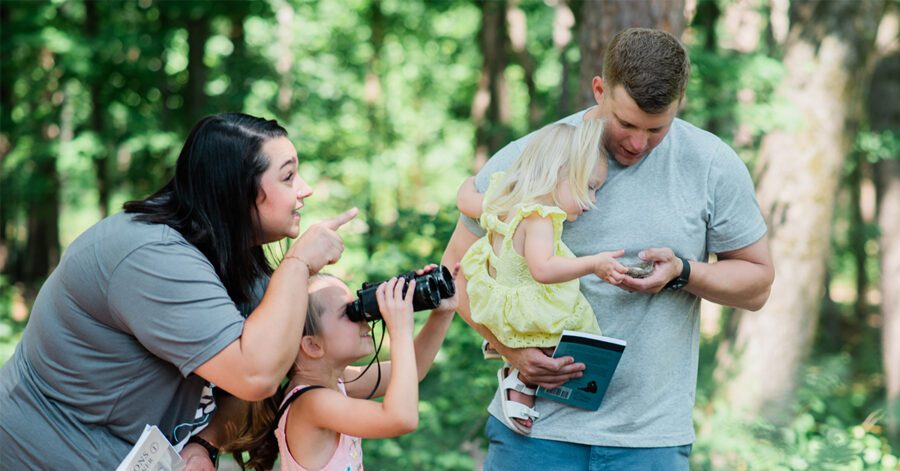
Everyone in my home loves nature study. When it is warm and beautiful or even cold and snowy, we head outside to make observations, take photographs, and draw. However, during seasons of poor weather or poor health, we do not neglect our nature studies, but rather complete them inside. Here is how we have made that work:
- We are reading living science books. Burgess Bird Book was a scheduled part of our Ambleside reading for this year. Living books are essentially not textbooks, but great books by a passionate author that also include teaching on a subject. Burgess Bird Book is a quintessential example of a living book. It is a series of stories told from the perspective of Peter Rabbit as he encounters different birds and some other small animals in the Old Orchard. Through the stories, we have learned, among other things, nest building techniques of different birds, a variety of birdsong sounds, and relations of bird families.
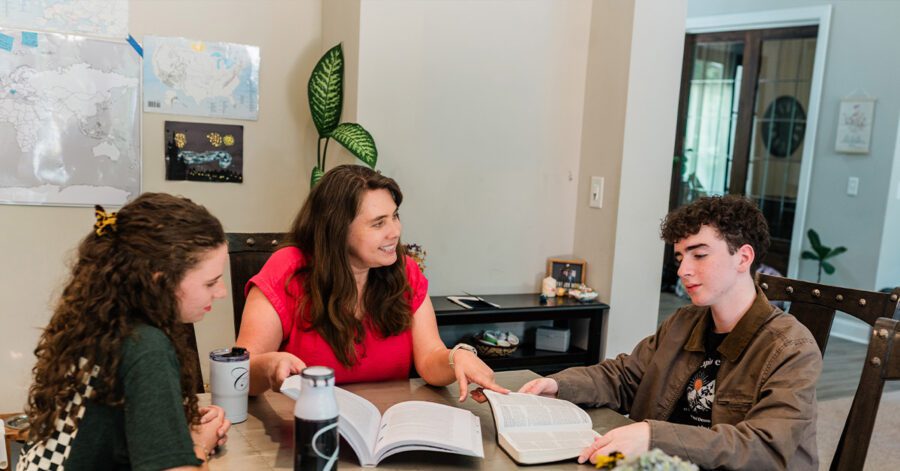
- I ask questions. When I incorporate conversation naturally either during the reading or after it serves a few purposes: a) engages my children in the story, b) encourages observations by them, and c) ensures their comprehension. I want my children to not only enjoy the story, but also learn how to be engaged, critical readers. This seems to come more naturally for one of my children, but I have seen growth in all of them this year.
- Look up more information as desired. If we are curious to see the way a bird flies after hearing it described, we look up a video online. If we want to see the differences between a male and female bird of the same species, we search our books or online for images. We listen to birdsongs in our BirdSongs book.
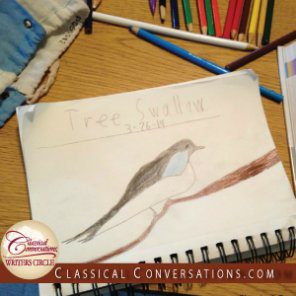
- While I read, my children draw the bird we are learning about in their creation journal. They start with light pencil sketching and add color. Through this exercise, not only have their drawing skills improved, but also their attention to detail. They have learned to look at everything from the varying coloring on birds to the length of their tail feathers to the shape of their beaks. While spending time outdoors for nature study is ideal, indoor studies can work when necessary. Indoor study still teaches one of the foundational skills of early scientific study by fostering a child’s curiosity through careful observation.
For more on how we approach scientific study classically, check out At Home with the Classical Method – Teaching Science and How We Study Nature.