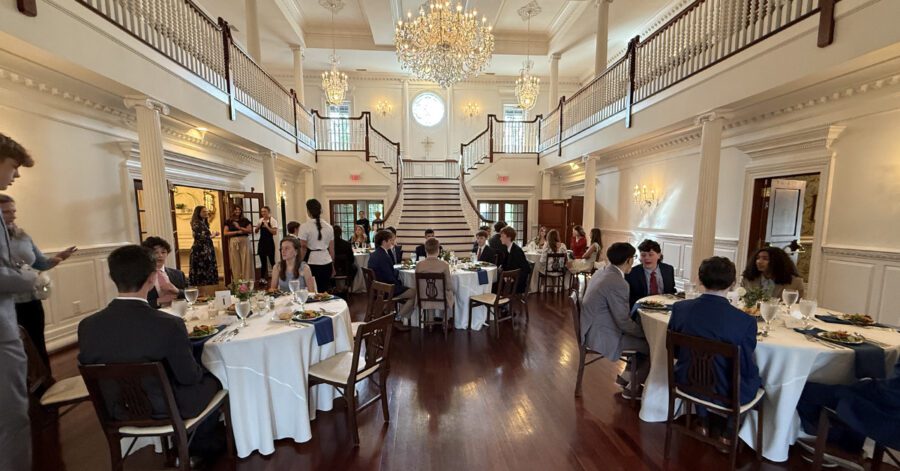
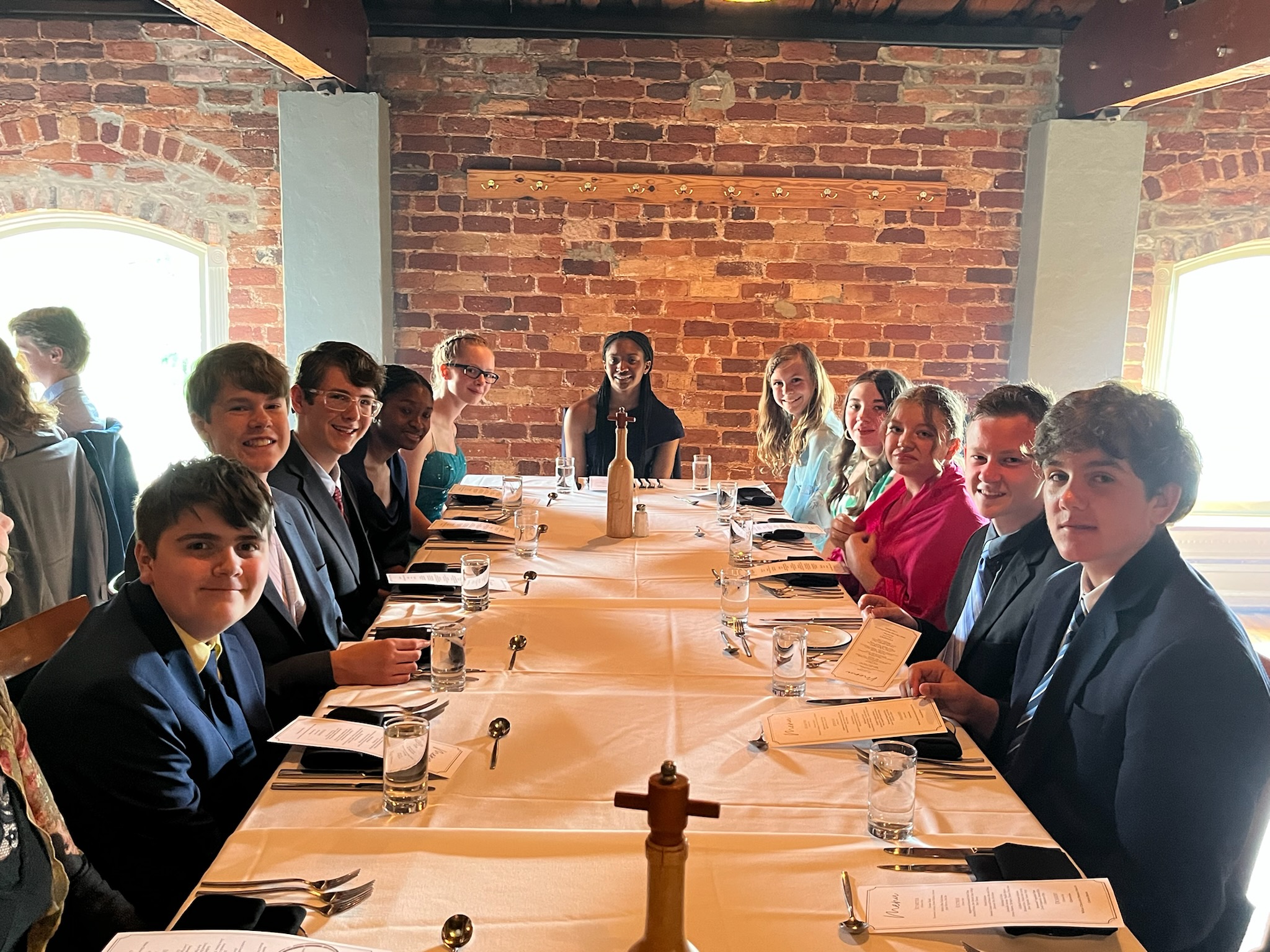
Classical Conversations Protocol is the etiquette and cultural capstone event for the Challenge II academic year, and it always includes two required parts: a formal meal and a cultural event, such as the symphony, ballet, or opera. For many Challenge II parents, the real question is not what Protocol is but how to plan one that feels less like a performance and more like a genuine feast of fellowship.
Below, you will find practical Protocol ideas gathered from Classical Conversations families, along with the reasoning behind why this tradition holds such a treasured place in a Challenge II student’s academic year.
What Is Protocol in Classical Conversations?
The word protocol traces back to a Greek term for the first sheet glued into an official manuscript, a meaning that grew over centuries to describe diplomatic treaties and, eventually, the etiquette surrounding formal occasions. Classical Conversations borrows that history for one of its most memorable capstone events: Protocol.
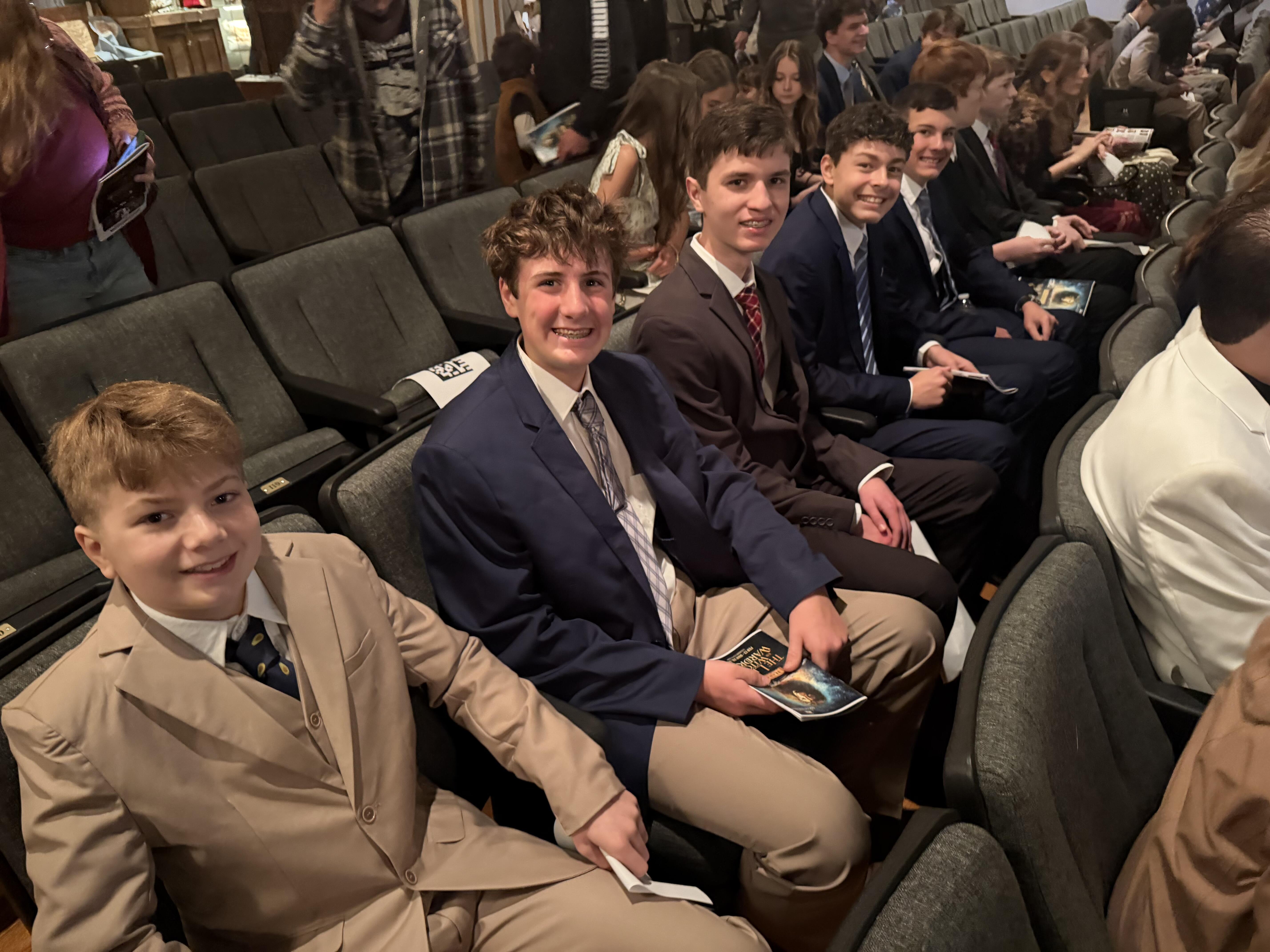
CC pairs Protocol with Challenge II specifically because that is the academic year in which students study classical music and art. Every Protocol, regardless of theme or budget, brings the two pieces together: a formal meal where students practice table manners and conversation, and a cultural event where they practice attentive, appreciative audience etiquette. Rather than sitting through an unfamiliar performance with polite boredom, students learn beforehand how to listen, when to applaud, and how to carry a conversation about what they have just experienced.
Protocol is not a substitute for a school dance, and it is not meant to feel starched or performative. It is a grace-filled evening of fellowship, good food, and genuine appreciation for beauty, made possible because everyone involved takes a little extra care with their manners and their attention toward one another.
Read more about the differences between Homeschool vs. Public School
Why Classical Conversations Families Celebrate Protocol
Underneath the formal attire and the dinner menu, Protocol points to something Scripture speaks of directly. Jesus tells His disciples, “A new command I give you: love one another, as I have loved you, so you must love one another” (John 13:34, NIV), adding that this love is how the world will recognize His disciples (John 13:35). Protocol gives students a concrete, practical way to live that out: noticing who feels left out, making introductions, listening well, and extending grace when someone forgets which fork to use.
Honor, hospitality, and self-governance all take a visible turn during Protocol, as students practice courtesy toward restaurant staff, performers, and one another. They are not learning etiquette so they can appear impressive. They are learning to make other people feel valued, a skill that will serve them at scholarship interviews, wedding receptions, and mission fields long after Challenge II ends.
Discover Top 5 Common Sense Skills Every Student Should Learn Before College
Protocol Ideas: Cultural Event Options
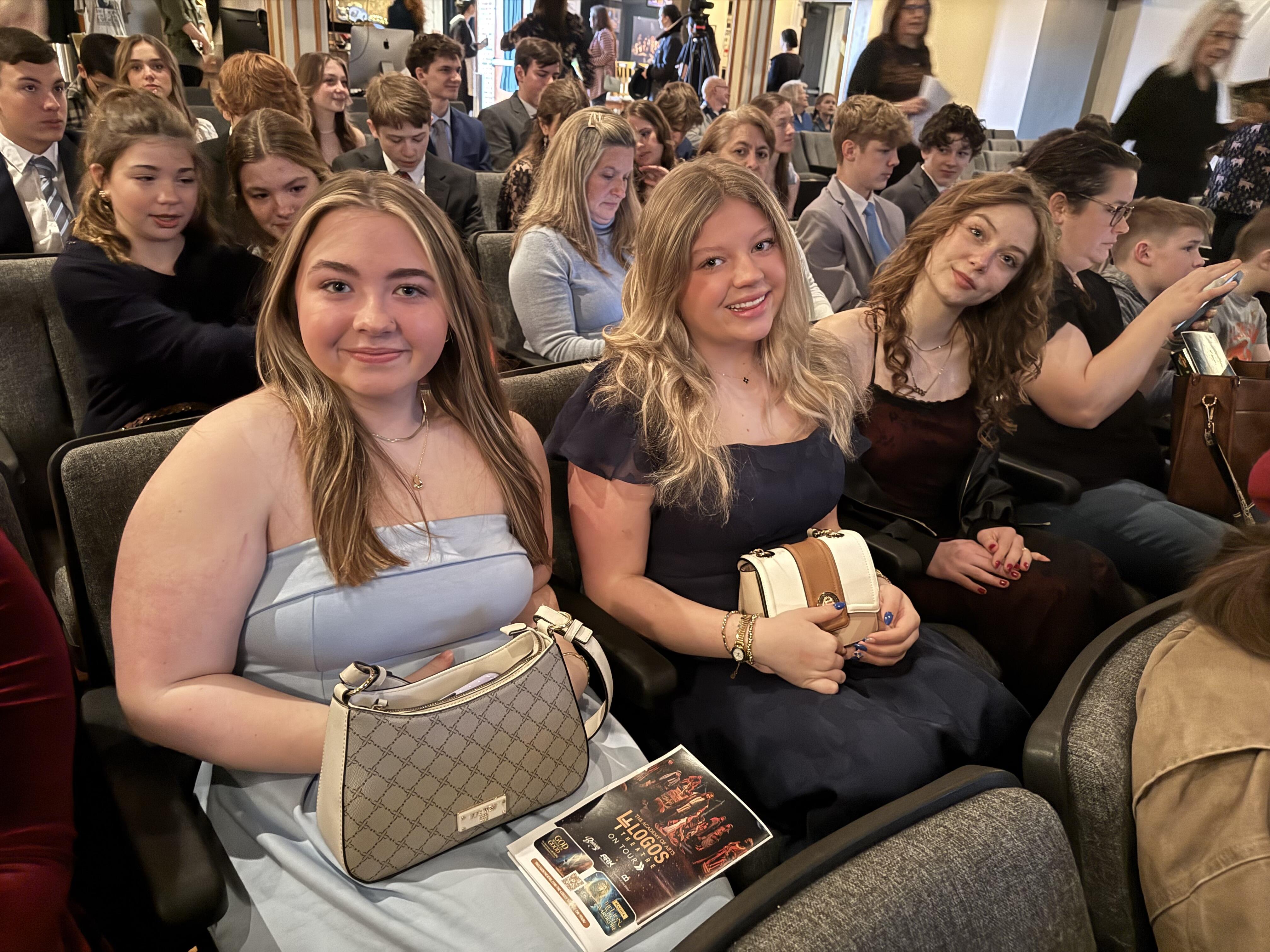
Every community has different access to venues, so Directors and parents often mix professional performances with more accessible local ones. A few favorites from Classical Conversations families are:
- Symphony. A local college or community orchestra often works just as well as a professional touring symphony, and tickets tend to be far more affordable.
- Opera. Previewing the plot ahead of time turns a potentially confusing evening into one students can follow and enjoy.
- Ballet. Pair a ballet with a short pre-show conversation about the story so students recognize the narrative through movement alone.
- Musical theater. A well-chosen musical gives students an accessible entry point into live performance etiquette before tackling opera or classical concerts in future years.
- A play. Community and university theater departments frequently offer student rates, which can make a play one of the more budget-friendly Protocol choices.
- A circus arts performance. For communities near a touring show, this offers a visually striking cultural event that still calls for the same formal attire and audience etiquette.
- Chamber music recital. Smaller and often free or low-cost through a local university, a recital gives students an up-close view of the musicianship that a full symphony can make harder to see.
- Museum or planetarium exhibition, or gallery opening. Pairing a docent-led tour with the formal meal introduces students to art appreciation or historical context alongside the usual performance-based options.
- Choral or a cappella concert. A church, university, or touring choral group offers a cultural event with strong ties to the history of traditional or sacred music.
- Shakespeare production or festival. Many cities host Shakespeare festivals or touring productions throughout the academic year, combining the classical literature works to be studied in Challenge III with a more relaxed, formal evening.
- Dinner theater. Some venues fold the cultural event directly into the meal, which simplifies planning for smaller communities.
Protocol Ideas: Dining and Social Experience Options
Some communities build the entire evening, dinner and event together, around a single themed experience:
- Murder mystery dinner. This combines the formal meal with built-in conversation prompts, which can ease nerves for students who feel awkward making small talk. This pairs well with the Challenge II Exposition reading of Favorite Father Brown Stories.
- Afternoon tea. A smaller-scale, budget-friendly option that still teaches formal table setting, proper posture, and gracious conversation while referencing Challenge A’s An Old-Fashioned Girl.
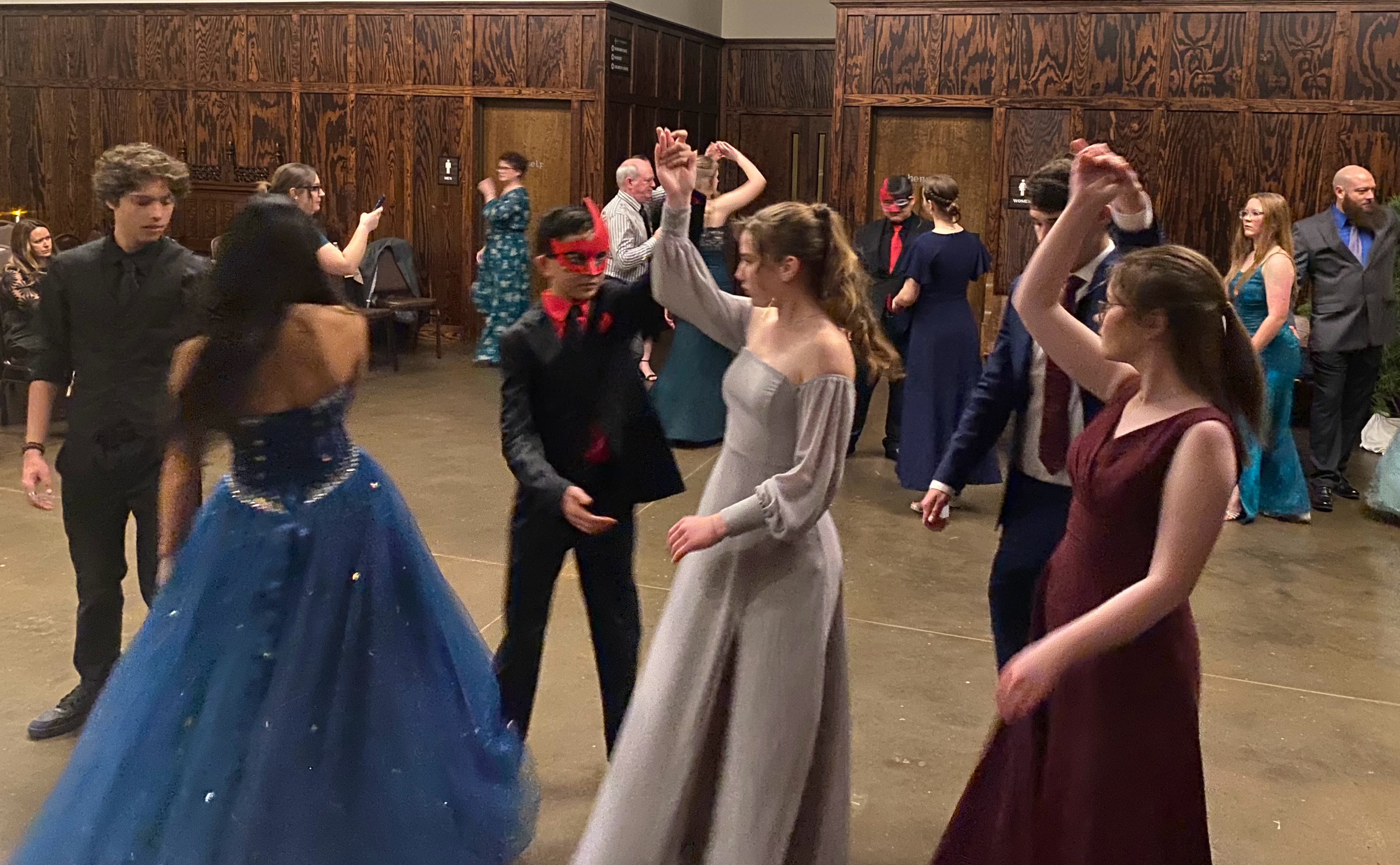
- Regency ball. Pairing a ball with a brief English country dance lesson beforehand gives students, especially those who have read Pride and Prejudice in Exposition, a tangible connection between the books and the ballroom.
- English country dance lessons. Even without a full ball, a single lesson teaches students to extend courtesy through simple, structured movement and eye contact.
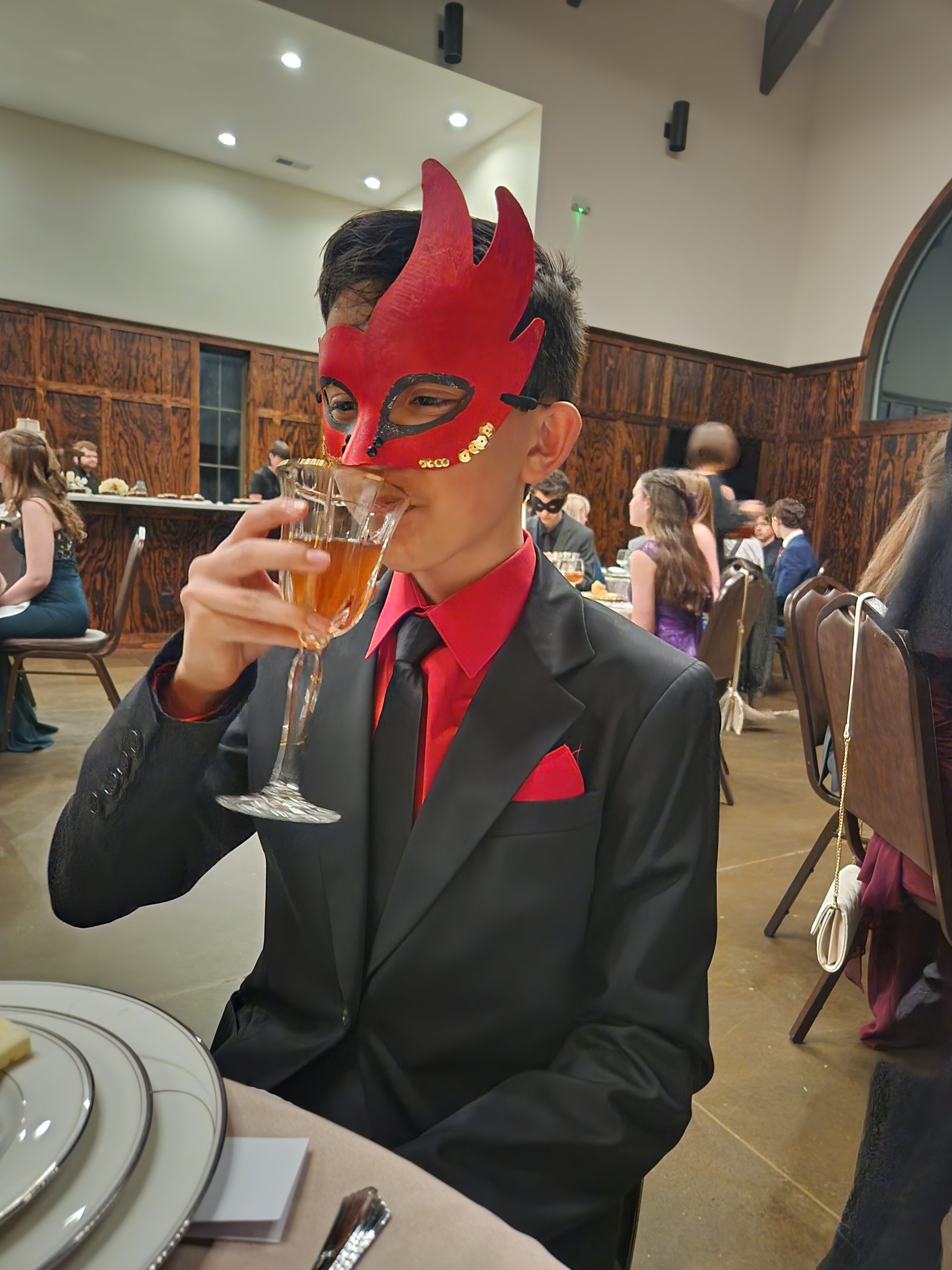
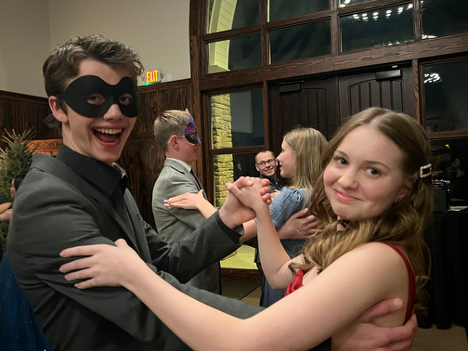
- Masquerade ball. Masks add a low-pressure layer of fun for students who feel self-conscious, while the formal dress and dance etiquette stay the same. Use a whimsical theme to correspond to Alice’s Adventures in Wonderland.
- Themed formal dinner. A Gatsby-style evening pairs well with a jazz combo or swing dance lesson and gives students a different historical era to research and dress for. Some other theme ideas include:
- Ancient Greek- Corinthian columns and togas connect with WAS Socratic Dialogues
- Through the Wardrobe- A Narnia theme provides enchantment and draws from students’ reading in Challenge A: The Magician’s Nephew and The Lion, the Witch, and the Wardrobe
- Christmas- Create a winter wonderland and take advantage of the many activities available during the holiday season, including a showing of The Best Christmas Pageant Ever.
- Hobbit Second Breakfast- Create a cozy Hobbit world with an air of adventure for a formal elevenses brunch.
- Renaissance or medieval feast. A themed banquet with music and simple pageantry connects naturally to Beowulf and English Epic Poetry, including excerpts from Sir Gawain and the Green Knight, and Canterbury Tales.
- Victorian high tea with lawn games. Adding croquet or lawn bowling after tea gives students an active, outdoor complement to a more formal indoor meal, and connects to Jane Eyre.
- Literary salon evening. Modeled after the Parisian salons of the eighteenth and nineteenth centuries, solicit parents, church leaders, local authors, or community leaders to share readings or short recitations over formal refreshments, which builds conversational confidence in a smaller, lower-pressure setting. A devotional theme could include excerpts from The Pilgrim’s Progress, The Screwtape Letters, or Something Beautiful for God.
Listen to The Finer Things in Life- Protocol on the Everyday Educator podcast
How to Prepare for Protocol
A few practices, borrowed from communities that have hosted Protocol for years, help the evening run smoothly:
- Plan the budget early. Balcony seats, a fixed-price menu, and community fundraising for formal attire all keep costs manageable without sacrificing the experience.
- Preview the content. Send families a link to the opera’s plot, the play’s synopsis, or the symphony’s program before the event so students arrive ready and informed rather than caught off guard.
- Practice the table. A short etiquette lesson during a regular community day, covering formal place settings and how a young man offers a chair to a young lady, goes a long way toward easing first-timer nerves.
- Prepare the attire. Talk openly about formal dress ahead of time, since many students have few other occasions to choose and wear formal clothing.
Why Protocol Builds Confidence for Future Challenge Years
The poise students practice during their first Protocol does not stay confined to one evening. As they move into Challenge III and IV, that same comfort with formal settings carries into college interviews, church events, and future professional dinners. Students who once worried about which fork to use discover that they are far more focused on the people beside them than on the silverware in front of them. That shift, from self-consciousness to genuine attentiveness toward others, is exactly the habit Protocol was designed to build.
Read about Classical Conversations Capstone Events: A Parent FAQ
Protocol FAQs
What is Protocol in Classical Conversations?
Protocol is a capstone event tied to Challenge II in which students attend a formal dinner and a cultural event, such as a symphony, opera, or play, while practicing etiquette, conversation, and consideration for others.
How do you prepare for Protocol in Challenge II?
Families typically preview the content of the cultural event ahead of time, hold a short etiquette lesson covering table settings and formal manners, plan attire and budget in advance, and discuss the evening’s program together before attending.
What if our community cannot find a professional performance nearby?
A local college orchestra, community theater production, or university dance recital works well as a substitute and often costs less than a professional touring show.
What if our community has a limited budget?
Community fundraisers, including bake sales, Christmas cards or plant sales, and community day snack tables, help offset the cost of Protocol. Afternoon tea, a home-hosted formal dinner, or a potluck-style meal paired with an affordable local performance all preserve the heart of Protocol without requiring an expensive venue.
A Feast Worth Preparing For
Protocol asks students to slow down, dress with intention, and pay closer attention to the people around them than to the performance in front of them. Whatever cultural event you choose, the goal remains the same: a grace-filled evening where good manners become a language of honor, and a shared meal becomes a small picture of the feast still to come. Dress with care. Listen with attention. Love with intention.
Looking for more on Protocol? Check out these helpful resources:
Written by: