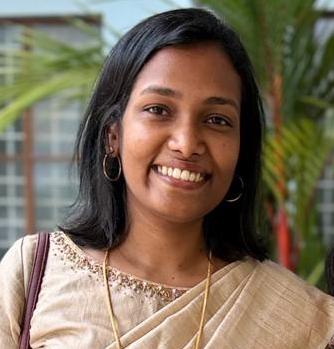
Classical education in India is growing, and the families who have found it are not going back. Namitha, a Classical Conversations mom homeschooling in the foothills of the Dhauladhar ranges, writes from the middle of that story.
In this article, Namitha traces how four years of classical Christian education transformed the way her family sees their home, their history, and the world beyond their doorstep, revealing that the world is connected to truth, beauty, and goodness through classical learning.
When Classical Learning Changes the Way You See the World
“Citius, Altius, Fortius.” Do these Latin words sound familiar? They might be to an athlete who pursues excellence.
These words caught my attention for the very first time as I passed by a sports arena in the heart of our city. I have passed by this place a hundred times before and never cared to give it a second glance. But this time was different.
This time was different because I had been memorizing Latin noun declensions and verb conjugations with my little ones for four years. I knew that this was definitely not English, but Latin! I looked up its meaning and realized that it was the Olympics motto, “Faster, Higher, Stronger.” In 2021, one more word was added to the motto: “Communiter,” which means together. Excitedly, I shared this piece of information with my children, who soaked it in.
In India, although literacy rates look high, not many people have access to quality education. Our family hails from a state in India with the highest literacy rate and an excellent educational system. But four years into homeschooling classically has definitely changed the way I view education and how I relate to everything and everyone around me.
When we first came across Classical Conversations, I had no clue about the classical method of education. Neither did we expect it to transform our daily homeschool to be so purposeful in knowing God. Steadily, this learning flourished into the world outside the boundaries of our home. This year, as we delve into our own rich history in Cycle 3, we are ready to steep in its beauty. We are so glad for the privilege of knowing God through His Word and His World.
Stumbling upon a Classical Christian Community
The very first noticeable change we had when we started homeschooling was a deepening of my bond with my son. As we completed our first year of school together, we knew we wanted to do this through high school, or at least as far as we could. We were not sure if and how this was possible in India. As we prayed, we stumbled upon a message in a homeschool group about Classical Conversations. We attended outreach events, including an Information Meeting, then an Open House, and the rest is history!
The community has been such an encouragement and motivation for our family since we joined. Our time with fellow Christians who share our convictions is like a delectable dessert that we devour. Classical Christian education is just the right fit for our family as God has designed it to be.
Read For I am Persuaded: The Need for Community
Why Indian Families Are Turning to Classical Education
India has one of the world’s most academically competitive cultures, yet many families are discovering that academic pressure alone does not produce the kind of thinkers and people they hope to raise. Classical education offers something different: a framework rooted in how children actually learn, built on wonder, worship, and the gradual development of wisdom. For families seeking to integrate a Christian worldview with rigorous academics, homeschooling in India through the classical model provides a purposeful alternative.
The trivium arts of grammar, dialectic, and rhetoric give children a way to absorb, question, and articulate knowledge at every age. When those arts are practiced within a Christian worldview, the subjects themselves become pathways to knowing God. That is the vision driving classical Christian education in India, and it is one this family has experienced firsthand.
Purposeful Learning At Home
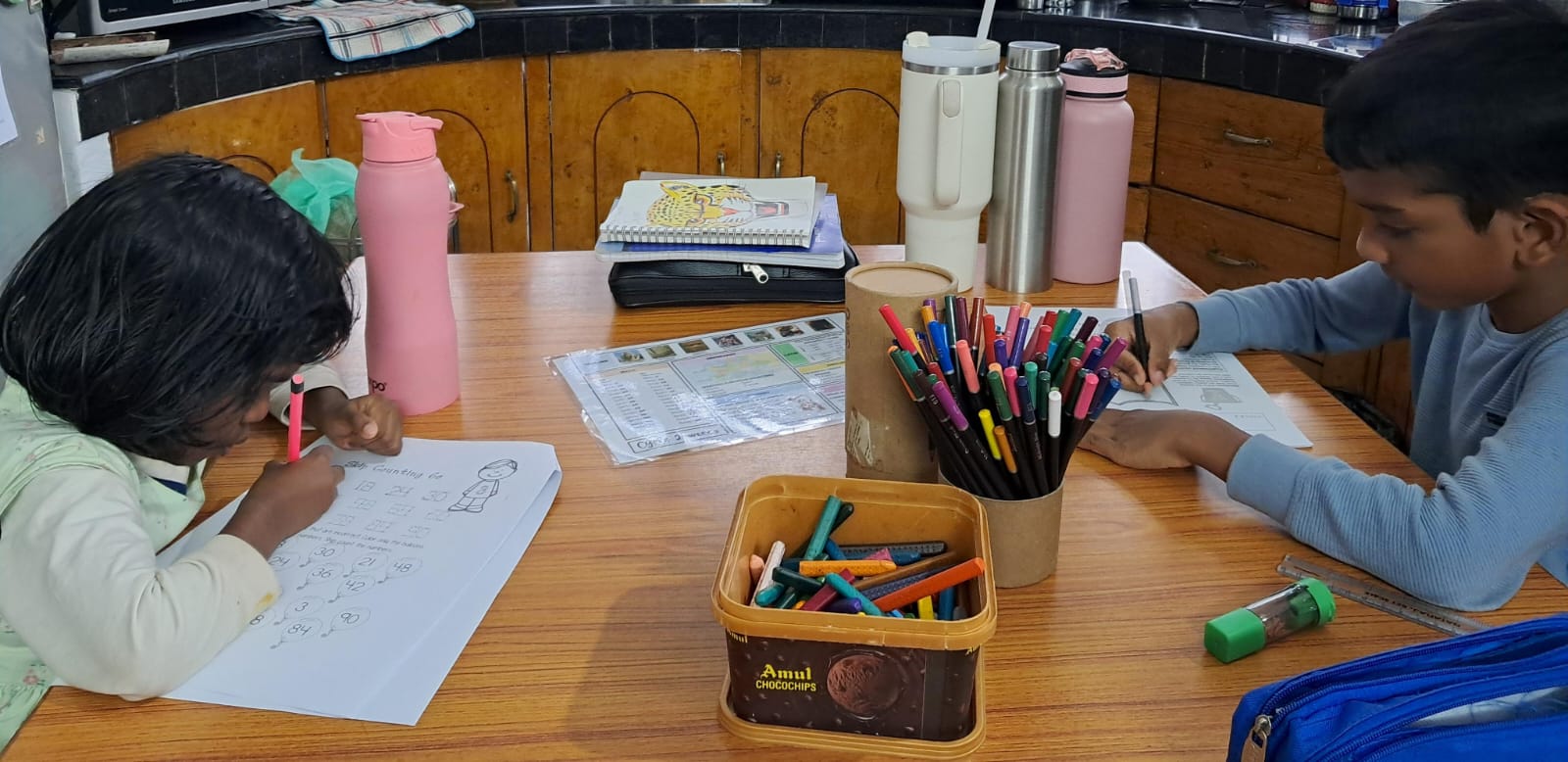
Our homeschool day in Foundations starts with the Word, as the children memorize their Bible verses, followed by a time of devotion. We often dive into our memory work next. History and Latin songs are our favorites! The children also enjoy doing worksheets from the Sandbox e-zine. We choose a topic for presentation for that week and work on it little by little throughout the week.
This year, The Math Map has been such a wonderful addition to our homeschool days. My son and I worked through the Naturals domain together and discovered so many treasures in it. Even the simplest act of holding a protractor, attending to its markings, and learning to use it led us to eager anticipation of math day after day.
As we read-aloud, the characters and events of our memory work come alive, and the connections we make never fail to blow my mind. The classical method of learning has also given me confidence in teaching my children our mother tongue, Malayalam, and our national language, Hindi. As we wrap up our school time before lunch, I could not be more thankful for a day well spent with my children.
Learn 6 Tips for Doing Classical Conversations Foundations with Young Children
How Classical Learning Fits Within Indian Culture and Values
Our classroom is not limited to the four walls of our home. As we step out of our house, we are still actively engaging with the world around us, never missing the wonder in all of creation. We make sure to share these bounties with our community during our presentations. Here are a few out of the innumerable benefits that merit celebration in our homeschool.
A Spider, a Sketchbook, and the Cost of Following Christ
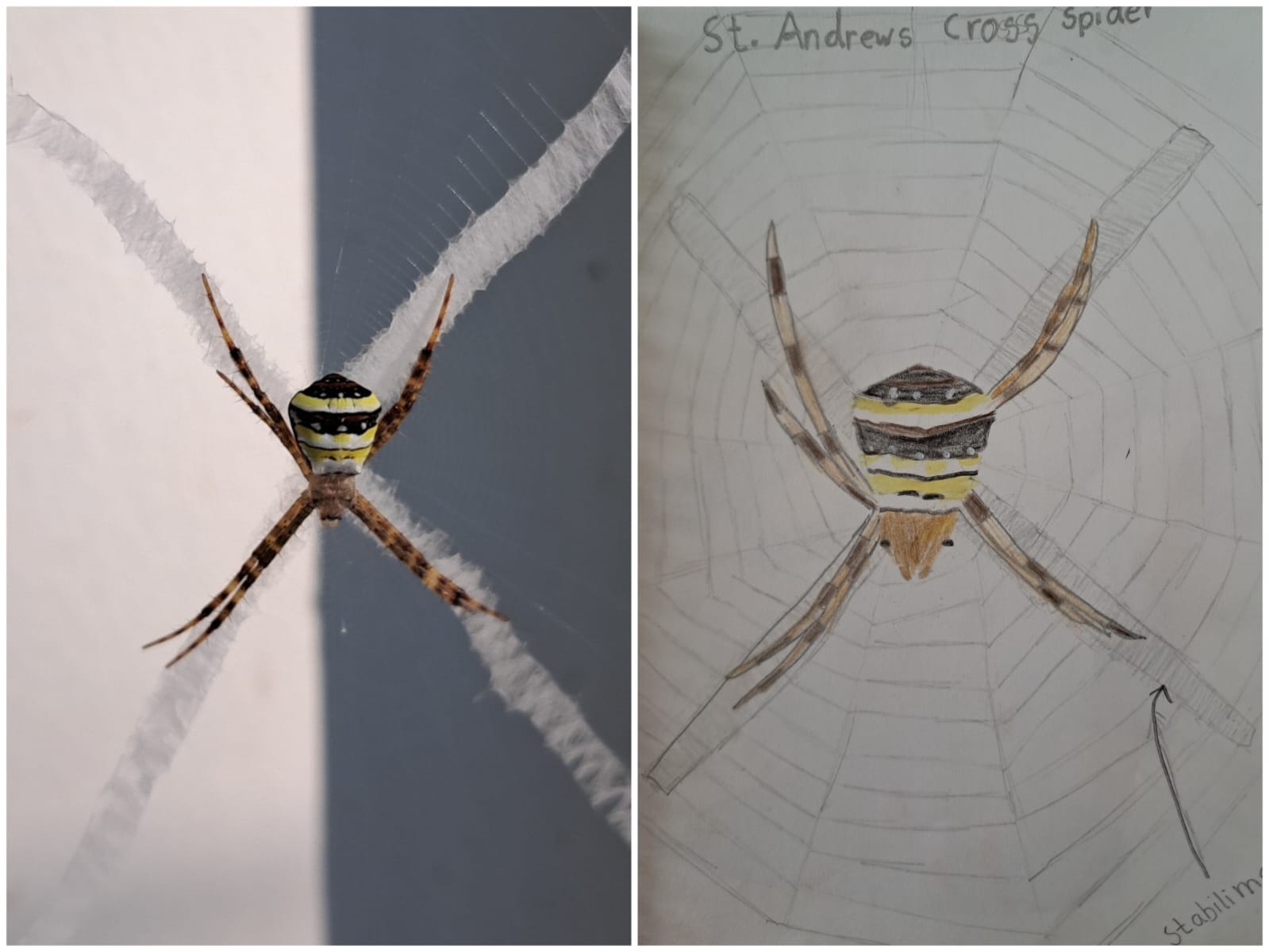
One summer, the children spotted a curious-looking spider in our backyard. Looking it up online, we found it was called the “St. Andrew’s Cross Spider.” We read about how Andrew, the disciple of Jesus, was said to have been crucified, which further led to a discussion on the cost of following Christ. Later, my son attentively sketched out the spider in his sketchbook. We got a wonderful topic to present about that week for community day.
Pita Bread, Mother Teresa, and the Mercy of Geography
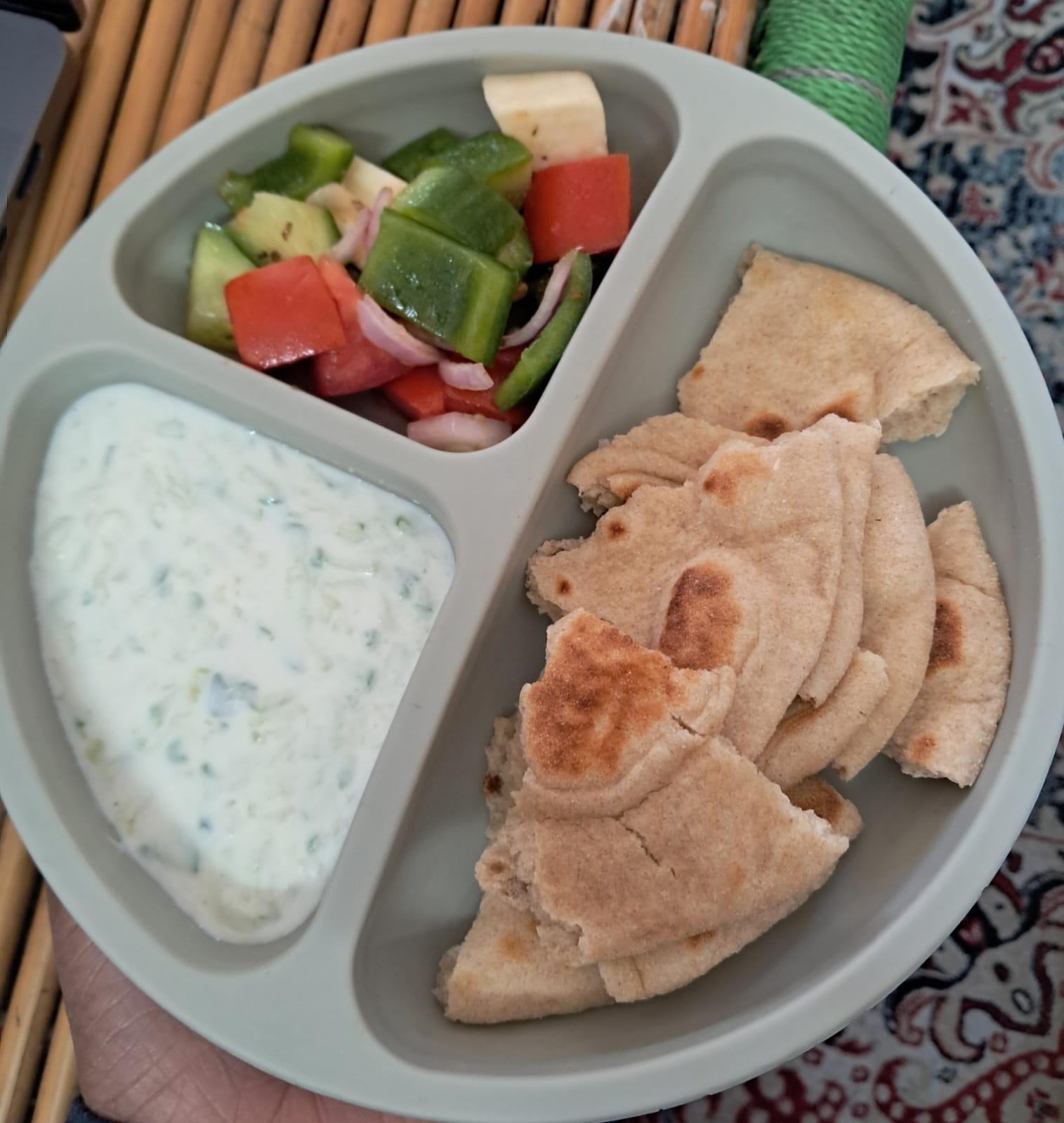
During Cycle 2, we learned a lot about the European countries as my daughter took great delight in presenting their cuisines. One week, we prepared pita bread, tzatziki, and Greek salad for a presentation on Mediterranean cuisine.
While working together in the kitchen, I realized that the Nobel Peace laureate Mother Teresa was Albanian and that Albania was just above Greece, and that these could have been part of her meals during her growing-up years. How different it would have been for her to come to Kolkata, India! I thought about our family, hailing from the coastal land of South India and now living in the mountain terrains of the Lesser Himalayas. There was a moment of relatability, however insignificant, with a great soul of the past.
A Japanese Song, a CC Tune, and the Joy of Shared Learning
Last winter, two friends from Japan visited us for the first time. They were from one of the small islands in Hiroshima. The very first thing that popped into our heads was the Cycle 2 Week 16 History song about “How World War II began.” We also talked about Mt. Fuji, Tokyo, and Kyoto.
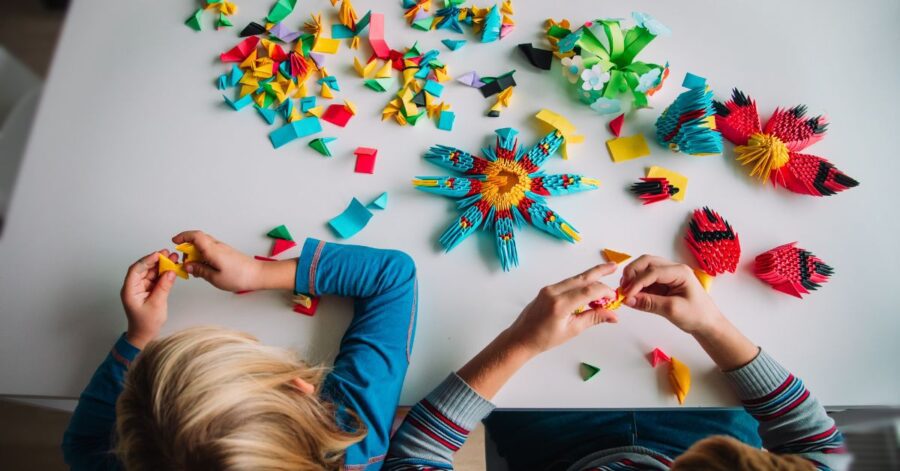
Next, they taught us how to make origami animals, and we quickly followed their instructions. Our friends were surprised and honored that we knew so much about Japan.
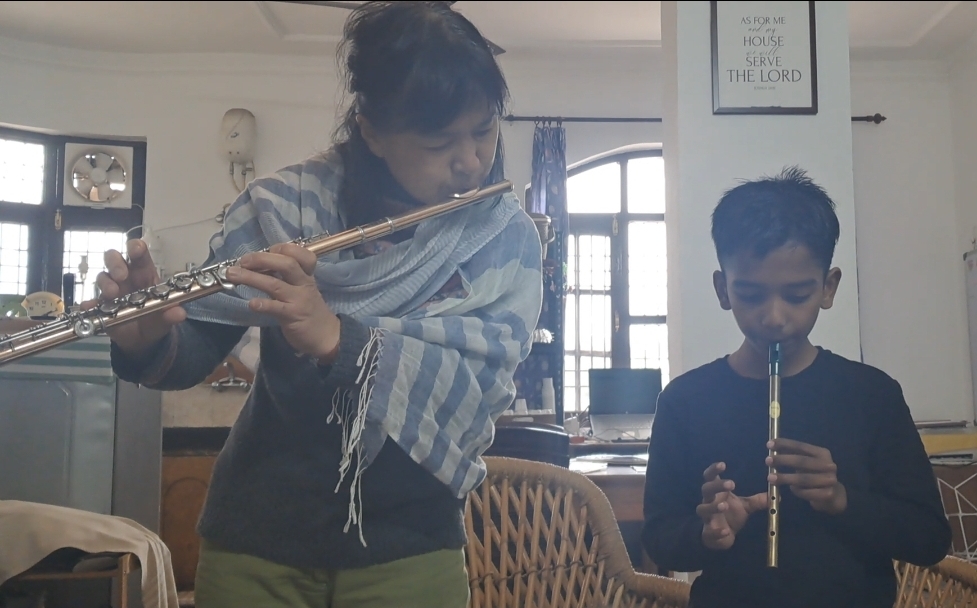
But the real surprise for all of us came when they taught us a Japanese song called ‘Sakura’ that they sing under the cherry blossom trees during springtime. CC’s Cycle 1 Week 10 History song about “Japan’s Heian Period” is set to the tune of Sakura. As they taught us the Sakura song, we sang about Japan’s Heian Period to the same tune. Together, we even tried to play it on the flute and the Tin Whistle. The joy that we all shared that day was indescribable.
As our friends left us, we were so grateful that our learning could help us bond so well with fellow Christians from another part of the world. Day after day, we are richly blessed by the rewards of following a classical Christian curriculum.
Faith, Community, and Education: The CC Model in India
We live in the foothills of the Lesser Himalayas, in the Dhauladhar range, which has a unique blend of religious, cultural, and political history. It is the land that evangelist Sadhu Sunder Singh trod barefoot, sharing the Gospel throughout its villages (Indian History Cycle 3, Week 11).
Presently, it is home to the Tibetan refugees and the Dalai Lama, the religious leader of Tibet. The beauty of the mountains and the valleys also attracts a lot of tourists. We get to meet people from various nations around the world as well as various ethnic groups from within our country. History is just waiting to be revealed from every nook and corner!
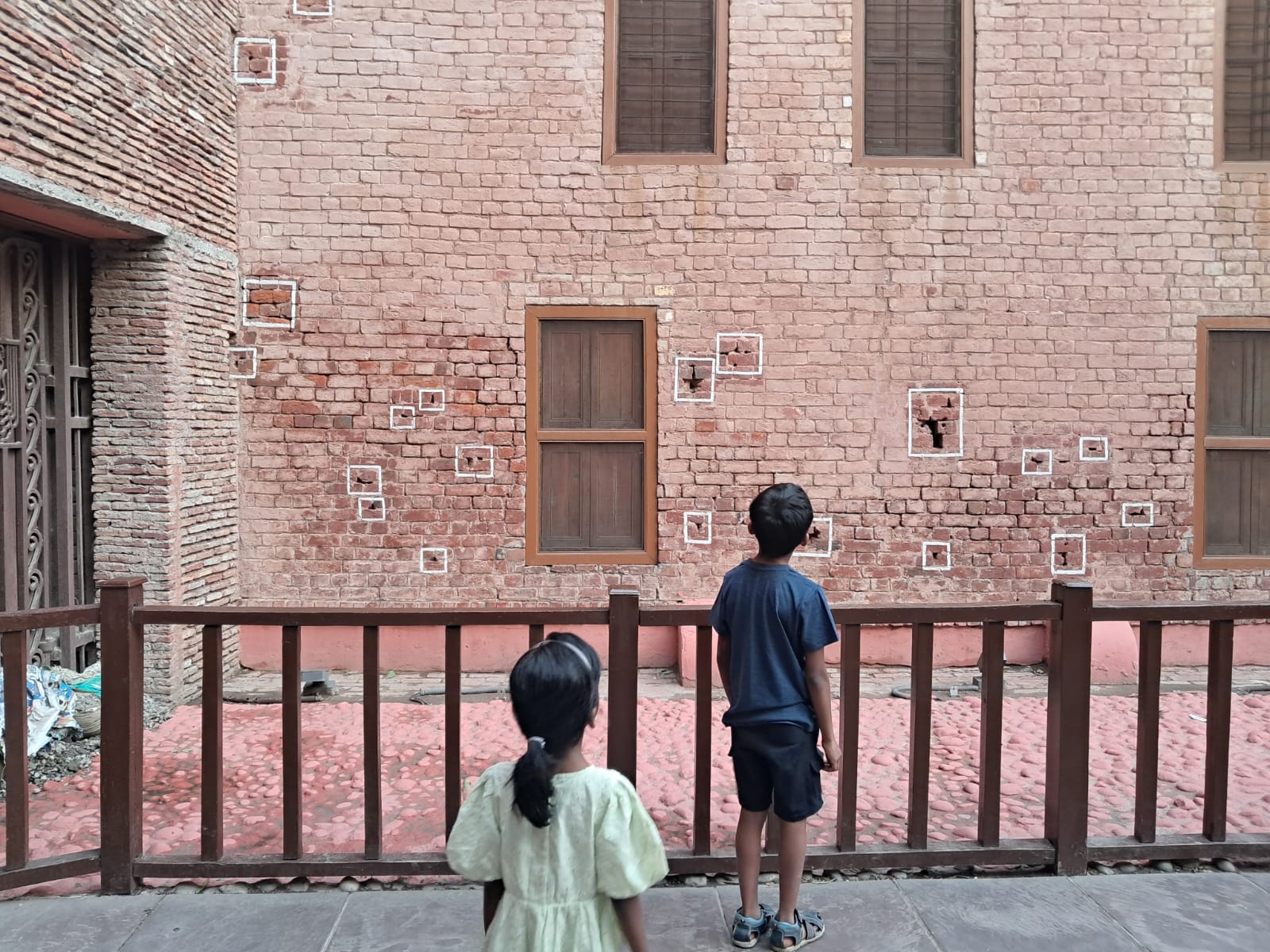
In Indian History Week 14, we learn about the Jallianwala Bagh Massacre, where hundreds were killed. Recently, we visited this historical site in Amritsar, Punjab, and saw the bullet marks on the walls of the enclosed garden. We looked into the deep well that the civilians jumped into in panic, and our hearts ached for them.
History is not always beautiful, but as we talked about how and why it happened, we were entering into conversations that I have never had with any adult during my childhood. We also talked about how the people united together in the struggle for freedom (Weeks 16 and 17) and were victorious (Weeks 18 and 19), forming the nation of India.
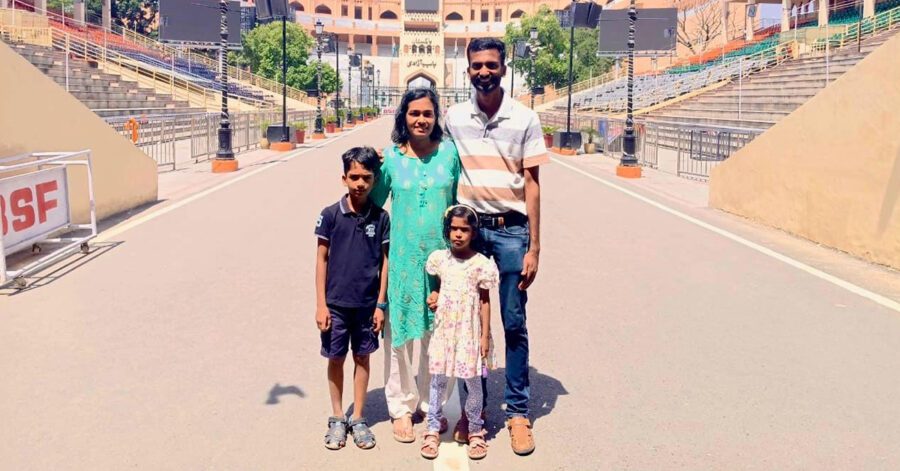
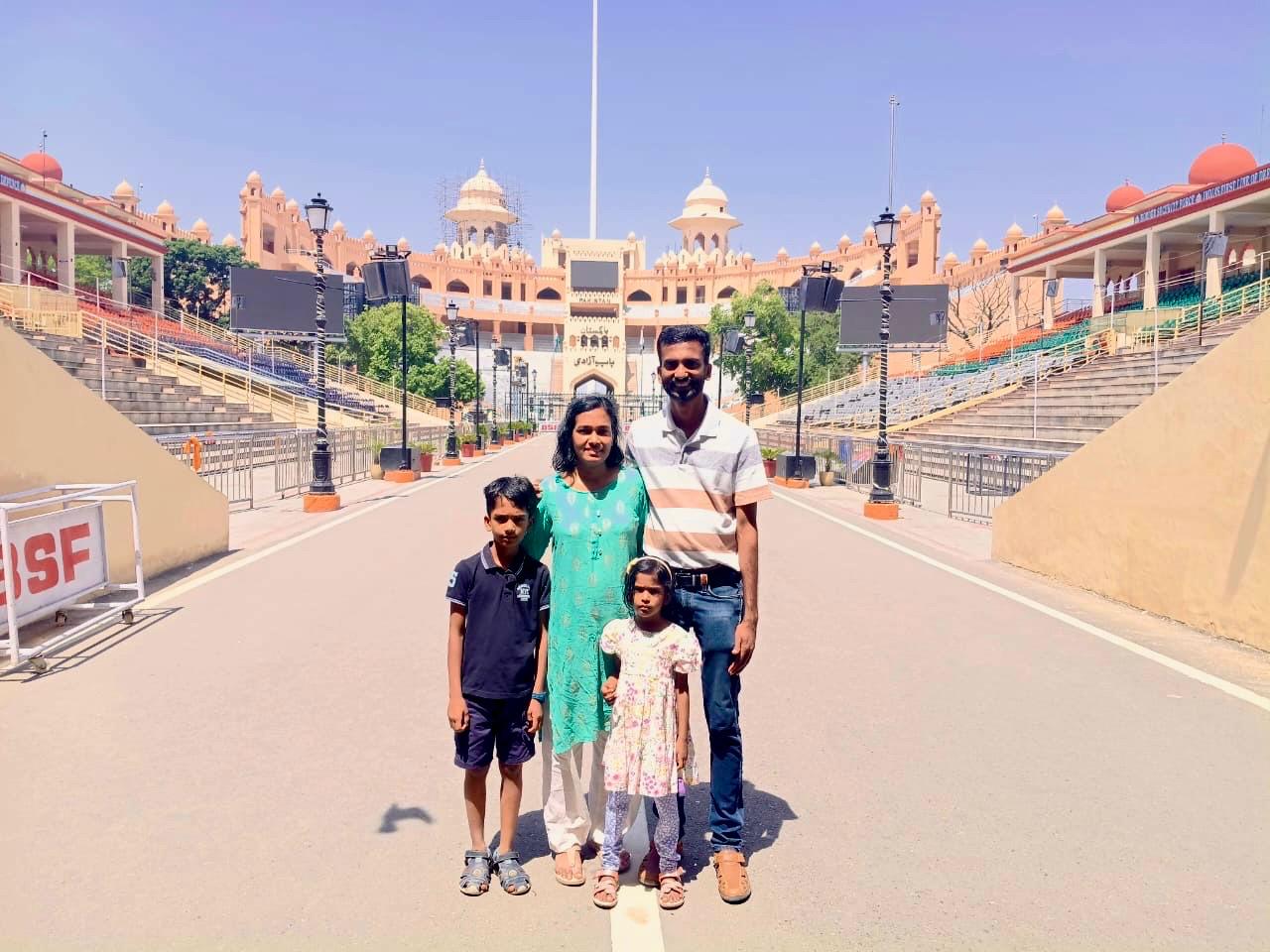
During the same trip, we also visited the Wagah border, the international border separating India and Pakistan. We looked at the Grand Trunk Road that connected India to our neighbors, Pakistan and Afghanistan. This road is also an extension of the ancient Silk Route. As we stood gazing out at Pakistan from this side of the border, my son asked, “Can we go to the other side through this gate?” The answer was no, and again we had the occasion to talk about the Partition. After our chat, while we were clicking a historic picture of our family, a bird flew over our heads and into the neighboring nation (you can see the shadow in the picture). No gunshot for crossing without a passport or visa!
How to Connect with Classical Conversations Internationally
Classical Conversations international communities operate with the same foundational model used across the United States: a weekly community day, at-home memory work, and the same Foundations, Essentials, and Challenge programs that serve families through high school.
Whether you are homeschooling in India or elsewhere around the globe, the international homeschool community of CC provides the structure, curriculum, and fellowship that make classical Christian education sustainable for families.
Families in India looking to join or start a CC community can visit CC International to explore what is available in their region.
Frequently Asked Questions About Classical Education In India
Is classical education available for homeschool families in India?
Yes. Classical Conversations operates international communities in dozens of countries, including India. Families can connect with or start a local community through CC International at ccinternationalonline.com. The curriculum, community structure, and classical Christian framework are the same ones used by CC families worldwide.
How does classical Christian education work within Indian culture?
The classical method is built on universal principles of learning, not any one national tradition, which makes it adaptable across cultures. Indian families find that the trivium arts of grammar, dialectic, and rhetoric pair naturally with their country’s rich history and their desire to raise thoughtful, faith-grounded children. As this article illustrates, India’s own landmarks, languages, and history become living extensions of the curriculum.
What does homeschooling in India look like with Classical Conversations?
CC families in India follow the same weekly rhythm as families everywhere: Scripture and devotion, memory work at home, community day with Tutors and peers, and read-aloud time. Resources such as the Math Map, CC Connected, and program guides provide families with a complete, cohesive curriculum.
Is Classical Conversations only for families in the United States?
No. Classical Conversations supports families in over fifty countries through its international communities. The same mission, “to know God and to make Him known,” anchors CC communities around the world, from Brazil and Chile to South Africa, Taiwan, India, and beyond.
What is the CC International community model?
CC International communities follow the same Parent-Student-Tutor model as domestic CC communities. Licensed Directors establish communities, families gather weekly, and students progress through Foundations, Essentials, and Challenge programs. Practical details adapt to local laws and culture, but the educational framework remains consistent.
Classical Education In India Continues to Grow
As we dive into Indian history in Cycle 3 for the second time, we are so eager to know our people and nation better. Five thousand years of history may seem daunting, but with the classical skills of learning, it can be made more approachable. May the Lord redeem the education not just of two generations but many generations to come, as our classical Christian communities in India grow and journey together. We pray that as more and more families stumble upon this path of classical Christian education, it will transform their homes, their world, and their nation, just as it has done for us.
If you are interested in more global CC communities, check out these resources:
- Classical Conversations International: Building a Global Homeschool Community
- The Call: Homeschooling in Brazil
- Nurturing Growth in Homeschooling: Lessons from South Africa
Written by: