
A strong homeschool logic curriculum does more than train sharp thinkers. It forms students who can reason toward Truth, defend their faith, and engage the world with wisdom. Yet for many homeschool families, logic can feel like a subject to check off or avoid rather than a discipline that shapes character and understanding. How do you teach your child to think well, and not just correctly?
That is the question at the heart of the Reasoning Together curriculum. In this article, Timothy Knotts, Director of Challenge Development for Classical Conversations MultiMedia, traces the vision behind the Reasoning Strand and explains why the pursuit of wisdom begins with learning to reason well. Homeschooling father of four, a CiRCE Institute certified master teacher, a practicing attorney, and a co-founder of the New England Consortium for Classical Educators, Tim brings both classical rigor and real-world clarity to the question every homeschool parent eventually asks: why does logic matter, and where does it lead?
If you are exploring the Classical Conversations Challenge program for your middle or high school student, or wondering about How to Homeschool Through High School, Tim’s perspective on the Reasoning Strand offers a compelling answer.
Why Logic Is the Foundation of a Classical Christian Education
The Apostle Paul wrote to the Corinthians that “we see through a glass, darkly” (1 Cor. 13:12), and the Proverbs tell us “[w]here there is no vision, the people perish” (29:18). Truth and wisdom are hard to discern. Spiritual truth requires enlightenment, but clear thinking and habits of perceiving patterns can be trained. Finding truth is one of the great aims of a Christian, classical education, and it prepares the student (and teacher) to approach a study of the ultimate Truth.
My first project for Classical Conversations MultiMedia was not what I had expected. Instead of digging into the Debate strand, exploring the history resources and debate activities that aligned well with my background as a history major and an attorney, I was asked to create a new Challenge III philosophy book. Before I could start sorting philosophers and arranging them in a meaningful way, I had to understand the book’s purpose and its place in the Challenge curriculum. So, on a sunny day at Copper Lodge, Leigh Bortins, Jennifer Courtney, and I sat down and hashed out what the Reasoning Strand was all about and why philosophy fits where it does.
The Reasoning Strand is anchored in philosophy, the search for wisdom. That search is ultimately only answered in theology, the science of the divine, but it begins with logic and learning to discern what is true from what is false. That is why analogies, puzzles, and the study of fallacies prepare the way for the introduction to the best and deepest things in the upper Challenge years. Learning to see patterns and to test the consistency of conclusions with the premises sets the stage for pursuing a definition of beauty, distinguishing the wisdom of God from the wisdom of man, or making choices about which friendships to invest in for the long term.
Answer the question: Why Study Logic? Learning Outcomes and Teaching Advice
What Is the Reasoning Strand in Classical Conversations Challenge?
The purpose of the curriculum and in-community activities in the Reasoning Strand is captured in its vision statement. The purpose of the Reasoning Strand is to develop:
- A fit mind, able to discern what is true, good, and beautiful
- The habit of testing ideas through questions, syllogisms, and dialogue to detect slipshod thinking
- Unity within the family and community by cultivating a Christ-like mind, able to perceive Truth
An agile mind, equipped with tools and skills for testing ideas, propositions, arguments, and conclusions, is a free mind, a mind liberated from enslavement to the propaganda of the world around it. It is a mind prepared to love the Lord without distraction.
The Classical Skills at the Heart of Logical Thinking
Comparison
The Liberal Arts and the skills that are practiced to gain mastery therein are the path to that kind of mind. Comparison is the most natural skill for learning; exploring similarities, then differences, helps our minds to move from the known to the unknown. In the Reasoning Strand, students are asked to compare, finding what is alike between two apparently unlike things in Reasoning Together Analogies, opening the door to new kinds of connections and the ability to think beyond the obvious.
Comparison continues to feature as the powerful engine for solving puzzles in Reasoning Together Puzzles and testing truth claims in Reasoning Together Fallacies. At its core, syllogistic reasoning is nothing but comparison, placing propositions into a form that provides a crucible of validity for testing a conclusion based on prior observation. Reasoning Together Philosophy invites comparison between two philosophers who give opinions on a topic, either agreeing or disagreeing, and students also consider whether the authors’ conclusions hold true according to their common sense.
Relationship
The skill of Relationship, exploring connections with respect to time, enables us to examine causation, a skill much neglected in today’s culture, where agency and responsibility are more and more neglected, and scientific claims and propaganda mix freely.
Just like in arithmetic, some of the activities in Reasoning Together Puzzles require steps that must be executed in a proper order to reach the solution. The appeals in Reasoning Together Fallacies sometimes need to be examined to determine what would be the likely outcome if the action proposed is taken or not. And in Challenge IV, using Reasoning Together Words in The Word, students apply that kind of reasoning to the Scripture, asking hard questions about salvation, sin, righteousness, and the causes and effects of each.
Definition
Students are asked to Define, by first exploring what something is before jumping to conclusions about how it works. In Challenge II, students are asked to define for themselves the nature and purpose of citizenship using Words Aptly Spoken Socratic Dialogues. They are led to Attend through highlighting and searching the texts for information. They Express by making charts and diagrams, growing deeper in understanding, and preparing them to organize their thoughts using the skill of Arrangement to analyze and prepare to share the valuable information they uncover. Delivering their discoveries and practicing presenting artifacts to their peers allows them to share their delights and frustrations.
What is Philosophy? The New Reasoning Together Curriculum Explained
Why Classical Conversations Created New Logic and Rhetoric Resources
In the thirty years since Classical Conversations was founded, we have learned more about the seven liberal arts and the Fifteen Skills of Learning. We have learned more about how to make homeschooling doable by bringing families to the table to read, work, and discuss together. Our deeper understanding has enabled us to develop a more mature curriculum. We have improved through many editions, from the first beautiful versions of Foundations and Essentials to the Grammar Strand, which has moved from a sampler of languages to a focused study of language through Latin (and it is about to get even better with the release of Common Latin!).
As the curriculum changes, Classical Conversations MultiMedia has three measuring sticks. We ask whether the new curricular element is better aligned with:
- our Christian vision of education,
- our classical pedagogy,
- our desire for parents to be able to implement it at home with multiple children and in community with a group of students studying the same material.
Without these standards, our choices might be guided by preference. Instead, they are driven by our desire to support our communities and families within our three pillars.
When a resource is retired, it is not because it was not good. All of the parts of the curriculum have been good, and continue to be good. We want to have the very best resources we can to shepherd our children into mature, virtuous thinkers, and we see an opportunity to more closely align the new resource with our mission and programs.
Listen to Logic for Everybody, Every Day on the Everyday Educator podcast
The Reasoning Together Curriculum Line: A Look at Each Resource
Each title in the Reasoning Together line serves a distinct purpose in a student’s developing ability to reason well. To learn more visit our Reasoning Together page.
Reasoning Together Analogies: This renamed study expands students’ ability to explore how to learn by finding and defining what is alike and different, and putting words to relationships that are invisible until they are described.
Reasoning Together Puzzles: Like a gym, this course of study prepares the mind with a wide variety of mental exercises and fun to grow in strength and agility, and to encounter the fundamentals of logical thinking and problem solving.
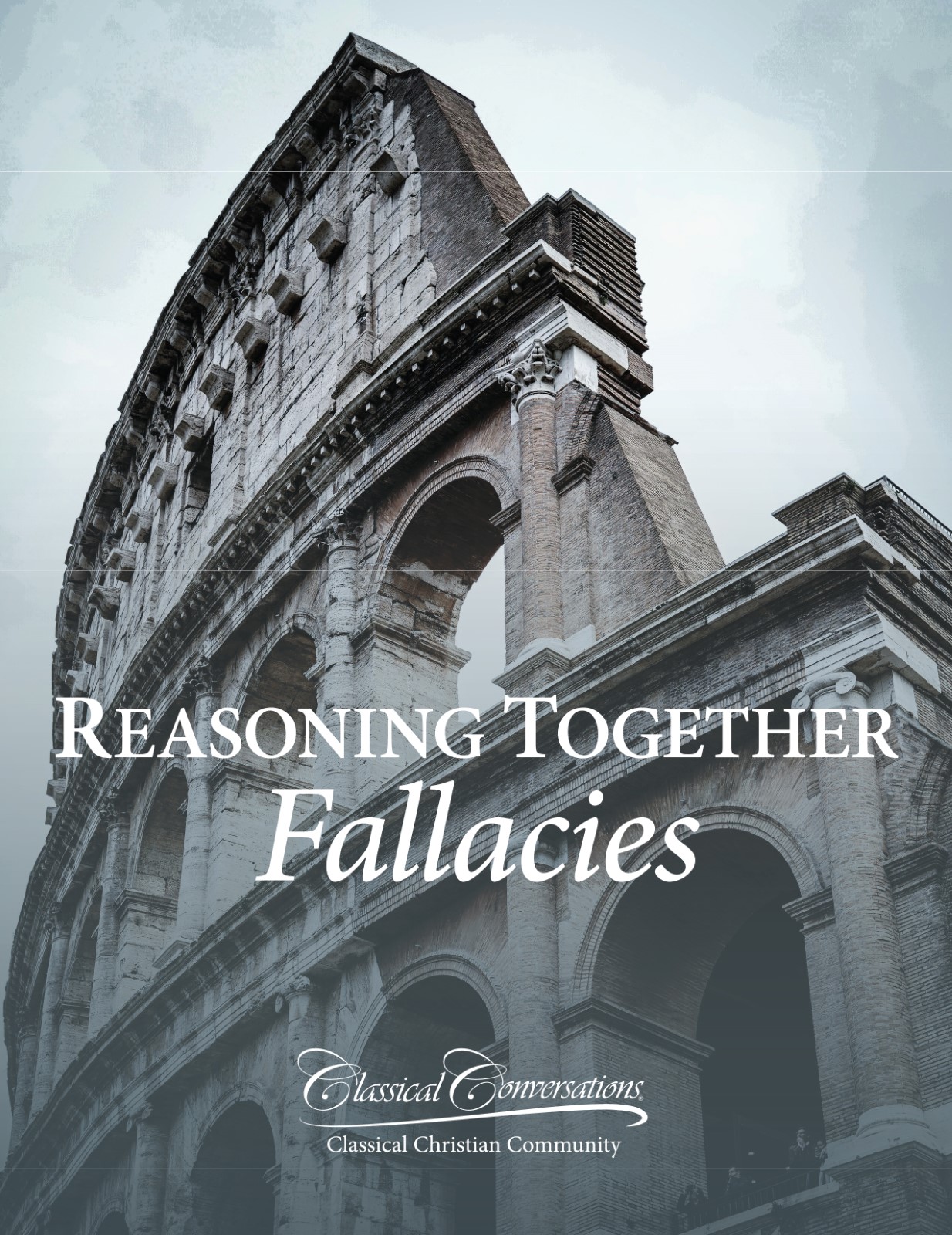
Reasoning Together Fallacies: Right and wrong reasoning in arguments blend together in everyday conversations, and this book helps students see and hunt down fallacies embedded in myths, legends, and fairy tales from the Echoes books.
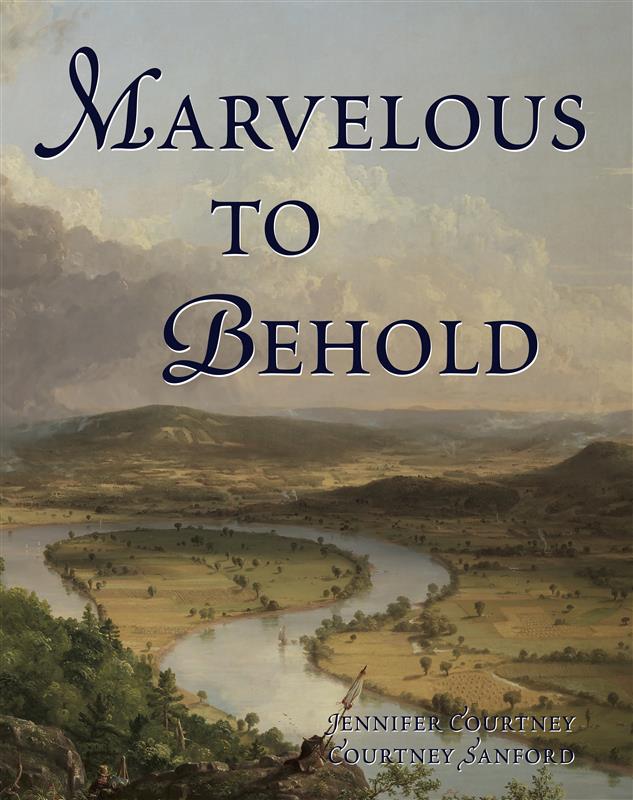
Marvelous to Behold: Our busy lives leave little room for attending to and contemplation of beautiful things, but this study equips students with skills to engage with and discuss beautiful art.
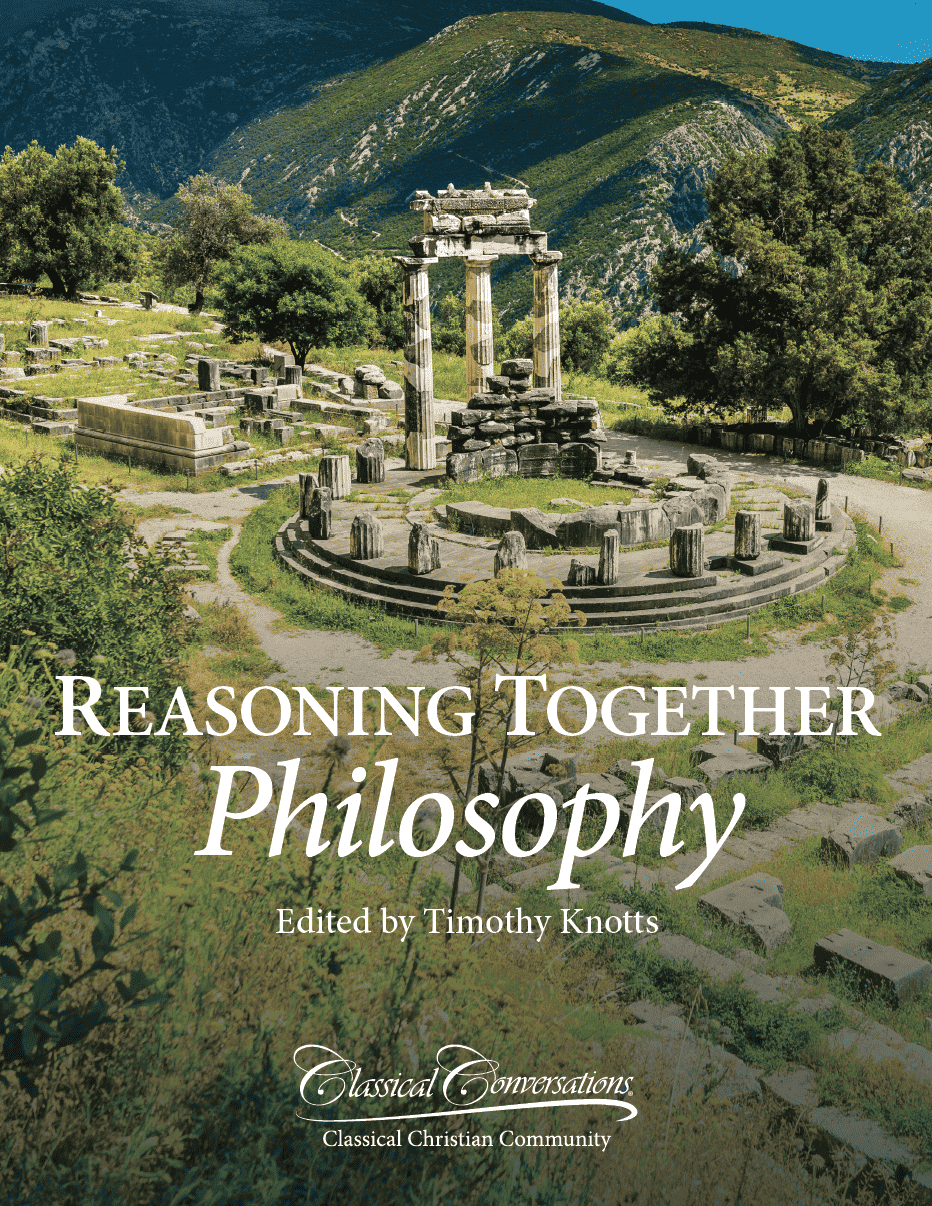
Reasoning Together Philosophy: Everyone has a philosophy, even if we sometimes call it a worldview, and in this resource students meet and discuss Christian and secular philosophers from ancient times to the present that shape our culture.
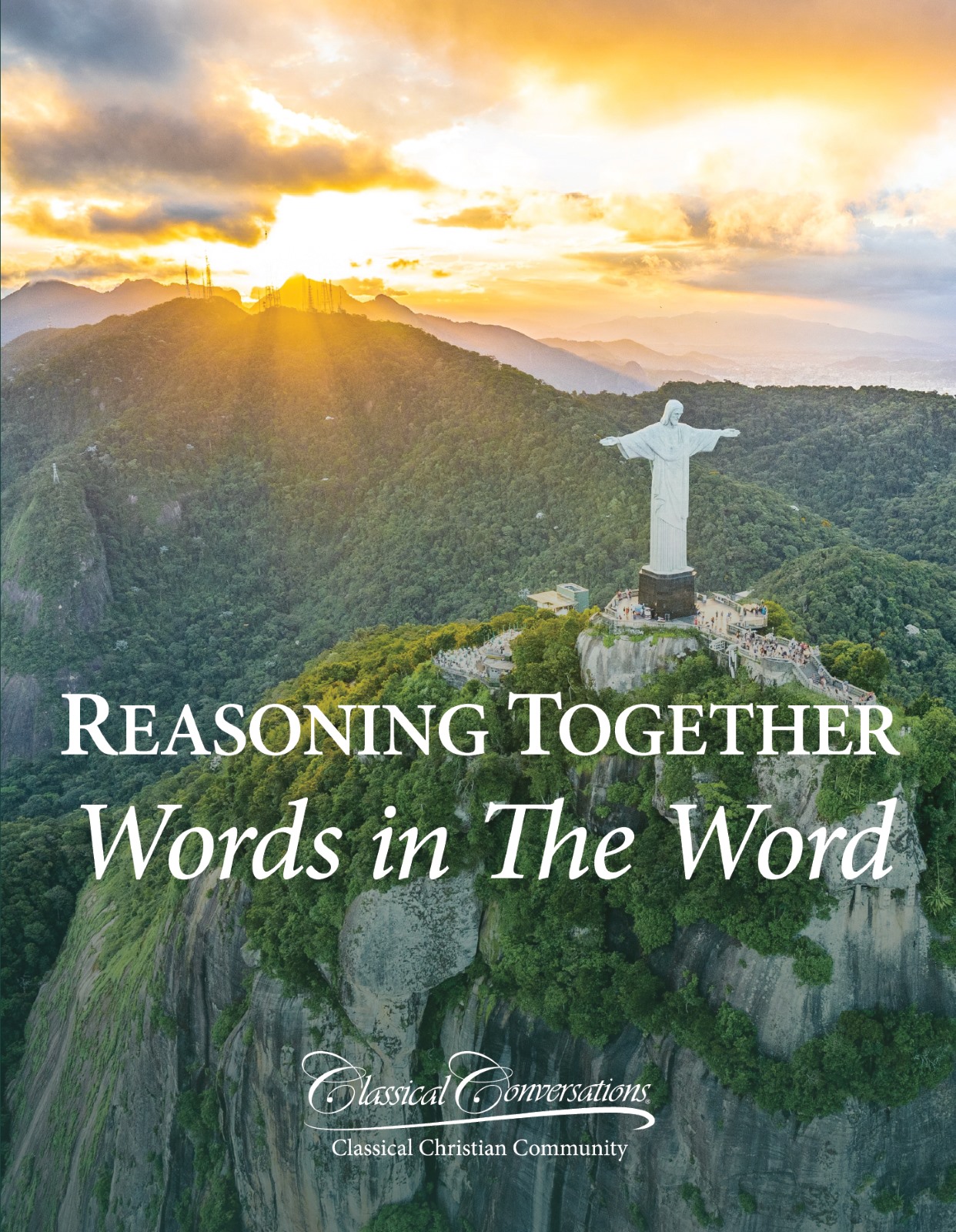
Reasoning Together Words in The Word: The culmination of an education is to know God and to make Him known, and this study reminds students of their skills of learning and the tools acquired through their years of study, and expands them to use in studying the Bible.
Frequently Asked Questions About Homeschool Logic Curriculum
What is the best homeschool logic curriculum for classical Christian families?
For classical Christian families, a strong logic curriculum trains more than formal reasoning. It shapes students who can discern what is true, good, and beautiful. The Reasoning Together curriculum line from Classical Conversations MultiMedia is designed specifically for this purpose, grounding critical thinking in a biblical worldview through a progression of analogies, puzzles, fallacies, philosophy, and Scripture study across the Challenge years.
How do you teach logic to homeschool students?
Classical educators teach logic by building skills progressively, beginning with Comparison, then moving through Relationship, Definition, and eventually formal argumentation and philosophy. Students start with familiar patterns, then learn to test ideas and conclusions as their reasoning grows more sophisticated. The Reasoning Together curriculum line structures this process by Challenge level, so students are never jumping ahead of what their minds have been prepared to handle.
What is the Classical Conversations Challenge program?
The Challenge Program is the middle and high school curriculum of Classical Conversations, designed for students in grades 7 through 12 (ages 12-18). It develops the Fifteen Skills of Learning in a classical education through six levels (Challenge A, B, I, II, III, and IV), and the Reasoning Strand runs throughout, cultivating a student’s ability to think, question, and reason well across every subject.
What curriculum teaches critical thinking for homeschoolers?
The Reasoning Together curriculum teaches critical thinking by training students to compare, question, and test ideas rather than simply receiving information. Grounded in the classical liberal arts, it develops the reasoning skills students need to think independently, evaluate arguments, and ultimately pursue Truth with clarity and confidence.
The Big Picture: Learning to Reason Together
“Reasoning Together” is not just a product line; it is God’s invitation to engage with Him, His Word, and His world to discern truth and to pursue knowledge, understanding, and wisdom. He calls His people, “Come, let us reason together” (Isaiah 1:18a). Students who play with puzzles, examine and analyze formal and informal argumentation, attend to art, read and write Socratic dialogues, read philosophy, and study God’s Word grow in their ability to reason together with one another, with their neighbor, and ultimately to seek to know God.
The Reasoning Strand and its resources are a pathway to clearer thinking. Through guided practice in seeing and recognizing patterns of logic, discerning what is beautiful, and testing ideas against the truth, students’ view of the world and its Maker becomes clearer. Some of the darkness Paul referenced is dispelled, and their sight grows less cloudy. As we perceive God and His truth more clearly, we are all better equipped to grow in wisdom and ready to reason together with both God and our neighbor.
To discover more Challenge strands and studies, check out these resources:
- Choosing the Best British Literature Books for Homeschool
- The Math Map: A Classical Approach to Mathematics Education
- The Many Lessons of Chemistry in Classical Education
Written by: